
Some teeth become too damaged to save. Extensive decay, a deep fracture, or loss of the bone that anchors the tooth can leave it unable to function reliably. When that happens, we may recommend an extraction.
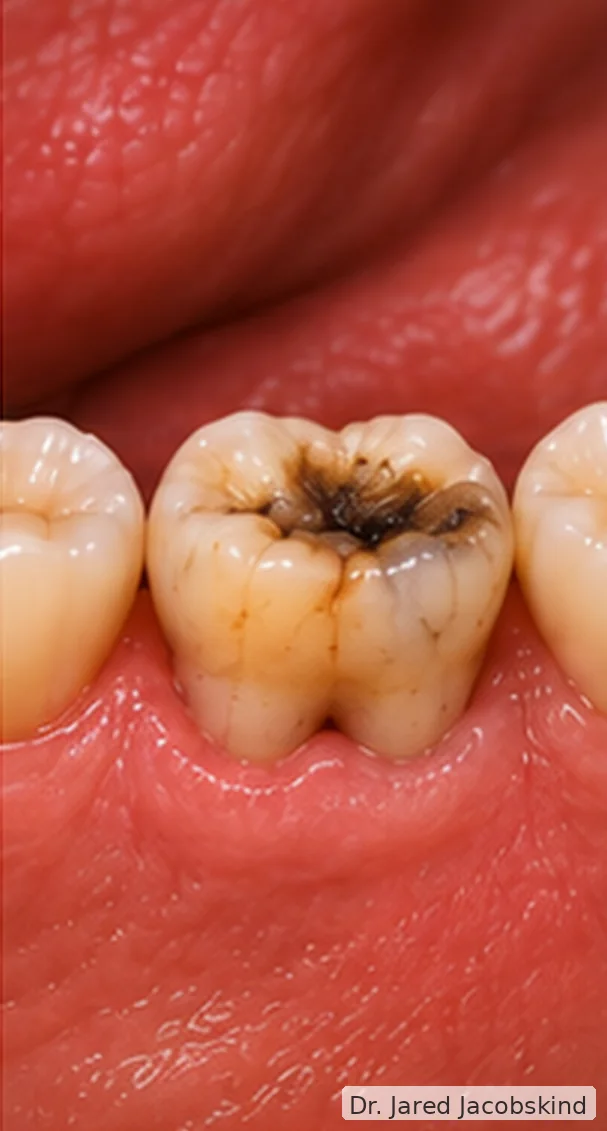
People often call an extraction “pulling a tooth,” but much of the work happens before the tooth comes out. After numbing the area, the dentist carefully releases the surrounding gum tissue and uses instruments to loosen the tooth within its socket. The aim is to make it mobile before lifting it out. Sometimes a small amount of bone also needs to be removed.
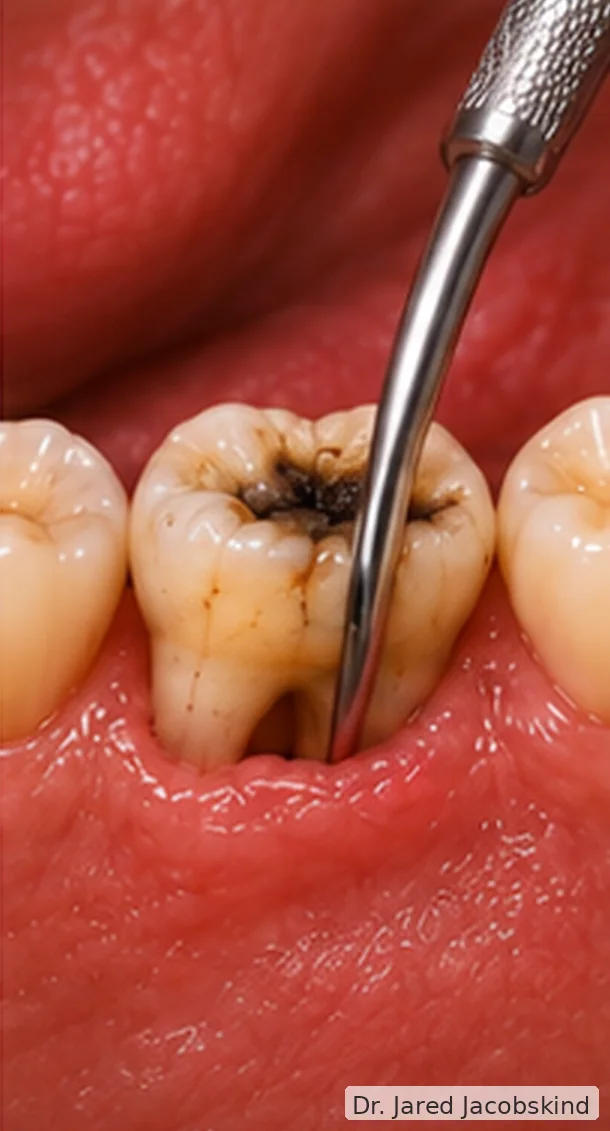
Once the tooth is sufficiently loose, it is lifted from the socket. We aim to protect as much of the surrounding bone as possible to support healing and future replacement. Sometimes dividing the tooth into smaller pieces, called sectioning, lets us remove it more gently.
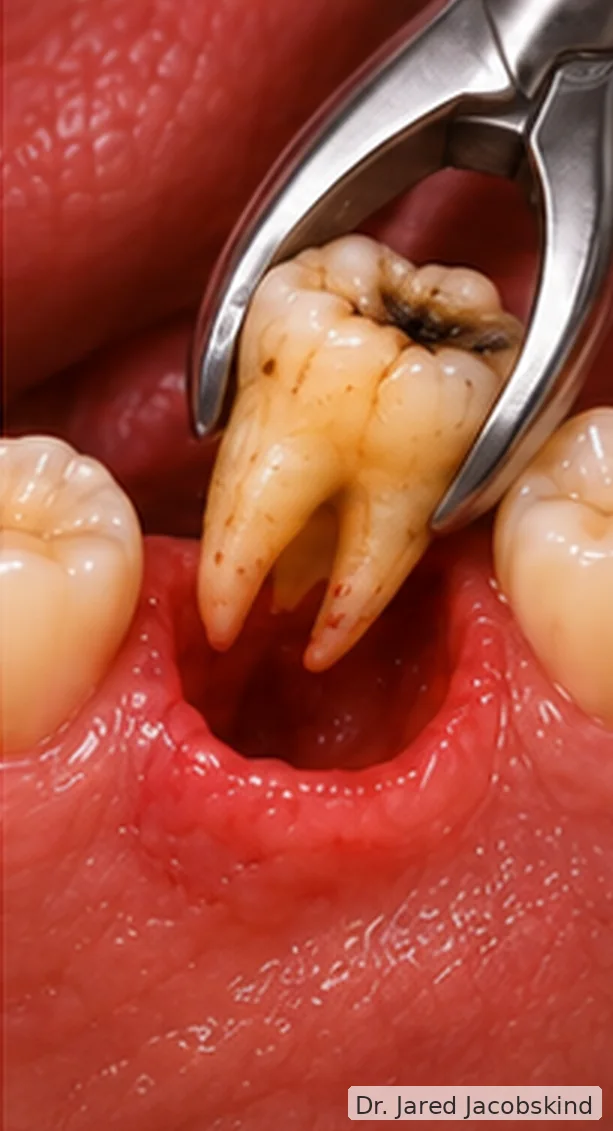
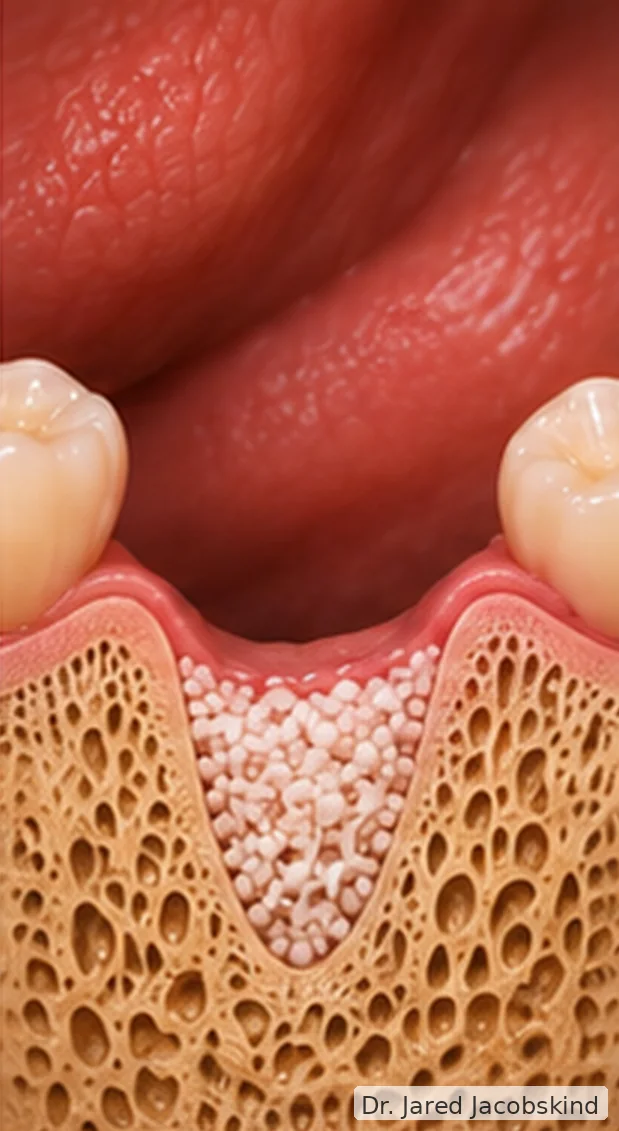
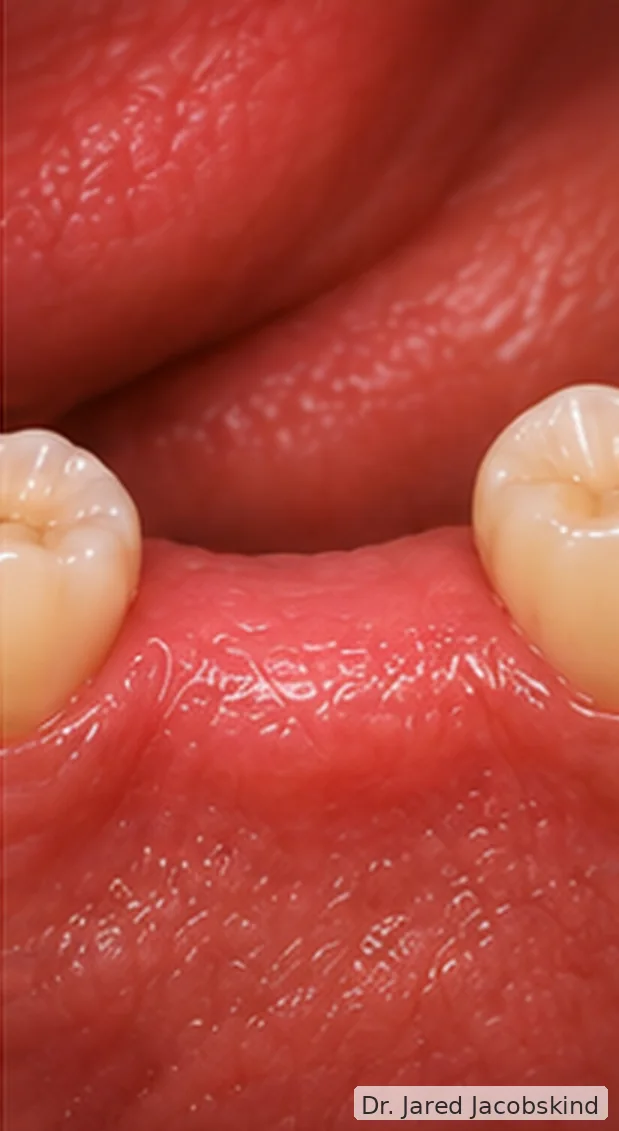
Removing the tooth leaves an empty socket, which is cleaned. From here, there are two possible paths. We can allow a blood clot to form and the socket to heal naturally, or place a bone graft to help preserve the ridge. The following pictures compare these options.
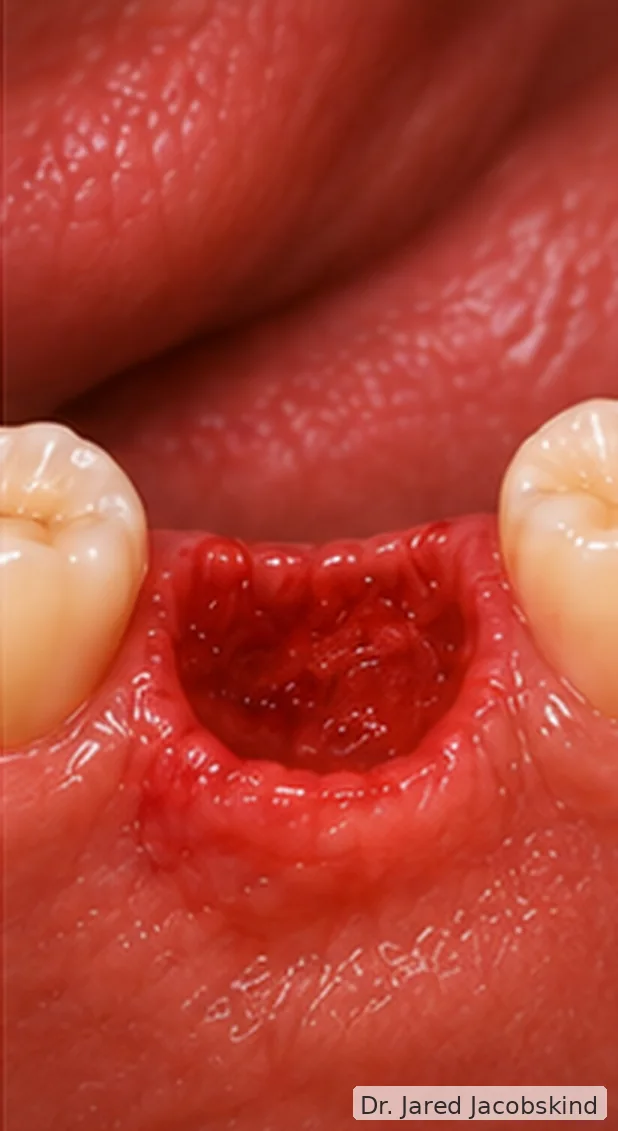
Without a graft, the gum tissue usually closes over the socket as it heals. Over the next few months, however, the ridge of bone and gum typically becomes narrower and shorter. This can affect the fit or appearance of a bridge or denture, and may leave less bone available for an implant.
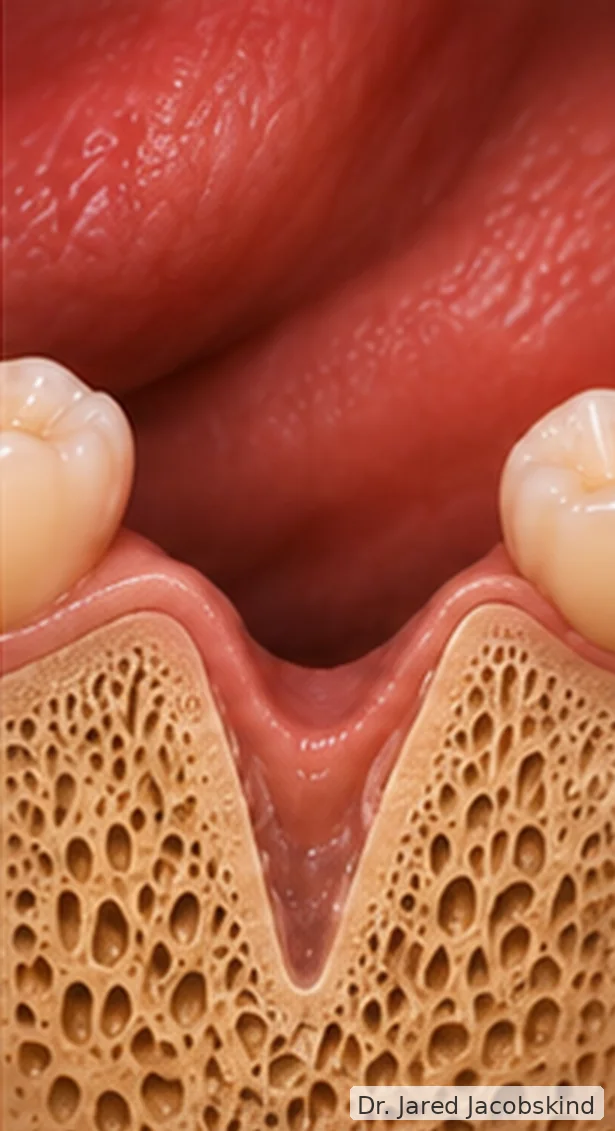
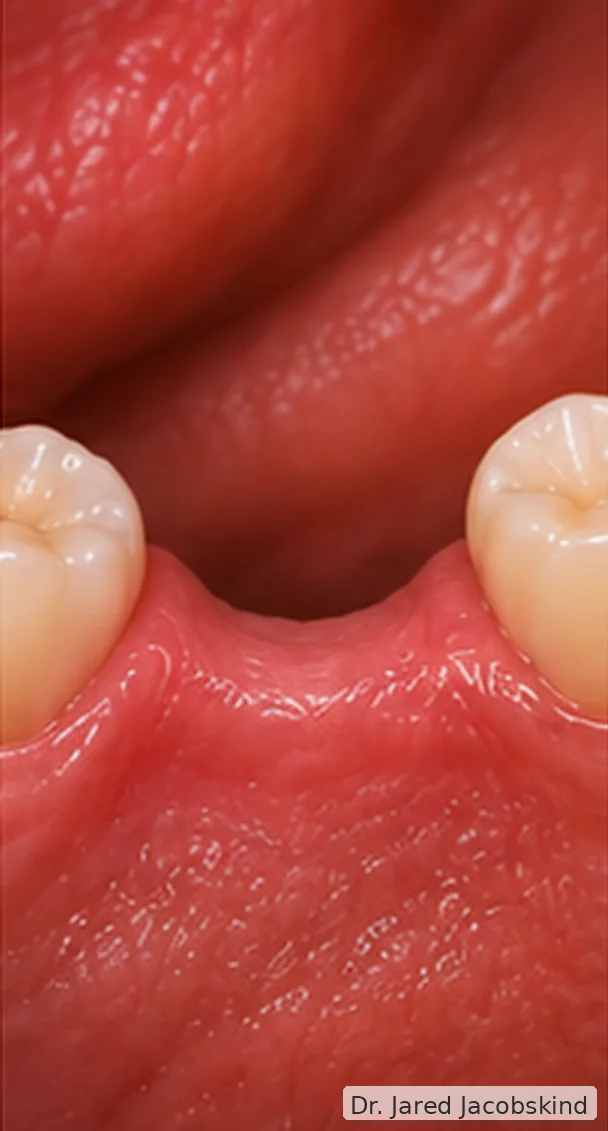
To help limit this shrinkage, a bone graft can be placed in the socket immediately after the extraction. The graft acts as a scaffold, giving your body a structure on which to grow new bone over the following months.
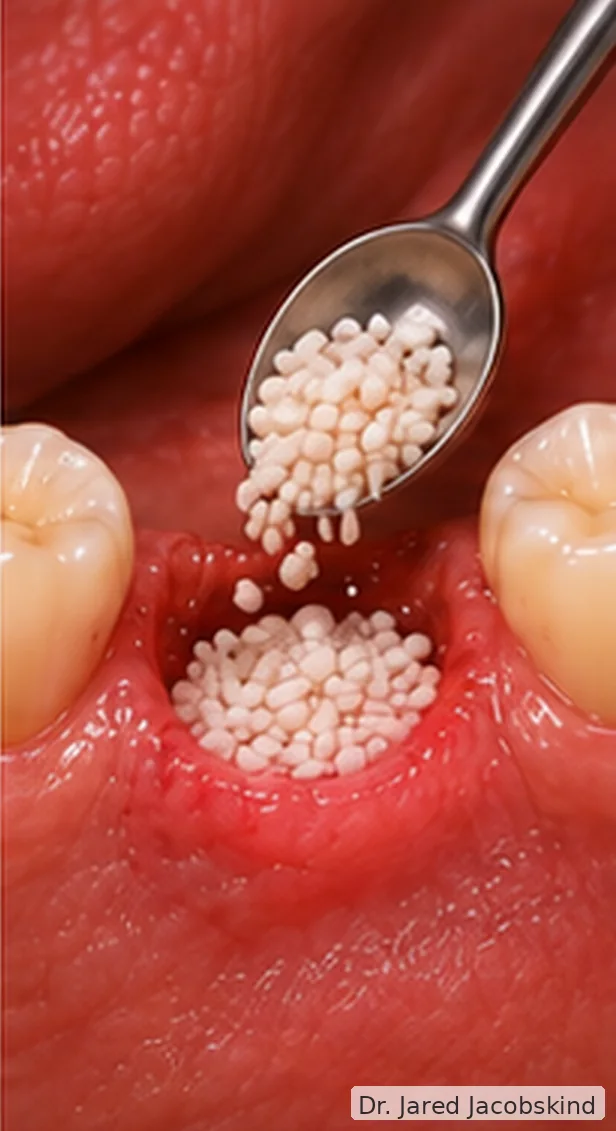
After the graft is placed, a protective covering may be added and the gum tissue is secured with sutures. As the area heals, new bone grows through the graft material, which is gradually remodeled. The goal is to maintain more of the ridge’s height and width for a future replacement.
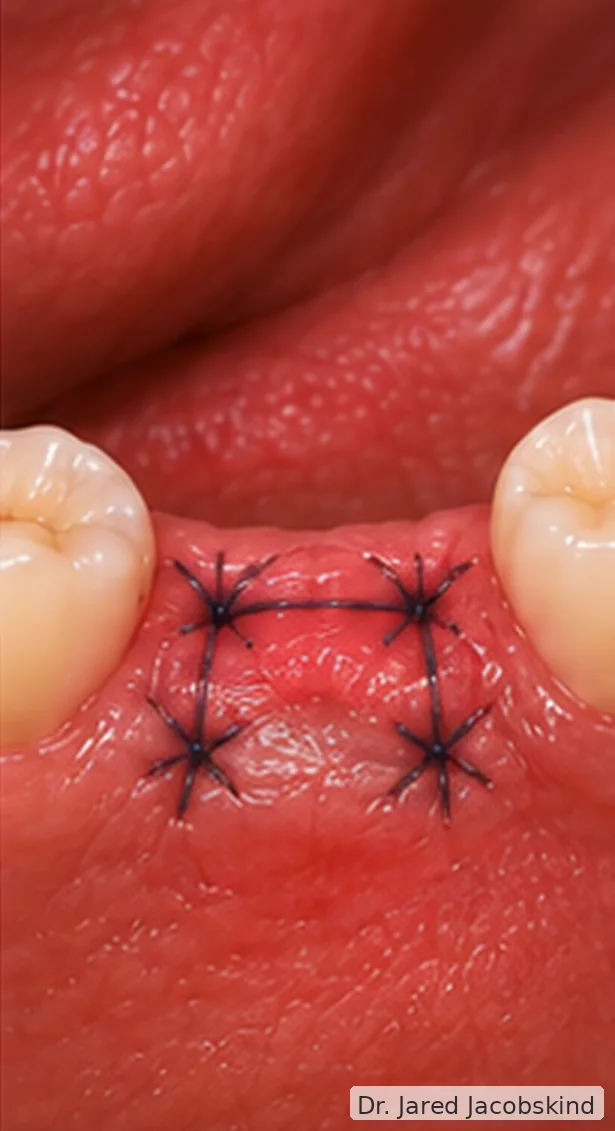
In cross-section, you can see how the graft helps maintain space within the socket while new bone forms. It can reduce the amount of collapse and leave a fuller ridge for the replacement we’re planning. Some shrinkage can still occur, and the amount of bone preserved varies with the site and how it heals.
Once the area has healed, we can consider an implant, a dental bridge, or a removable partial denture to replace the missing tooth. The best fit depends on the healed site, your remaining teeth, and your preferences.
These illustrations explain general concepts and do not replace an individual dental evaluation. Implant surgery and root canal treatment are coordinated with outside specialists.