
A missing tooth can leave a gap that affects how you chew or how you feel about your smile. A traditional fixed bridge uses the teeth on either side of the gap to support one or more replacement teeth. The bridge stays in place when you eat and when you clean your teeth.
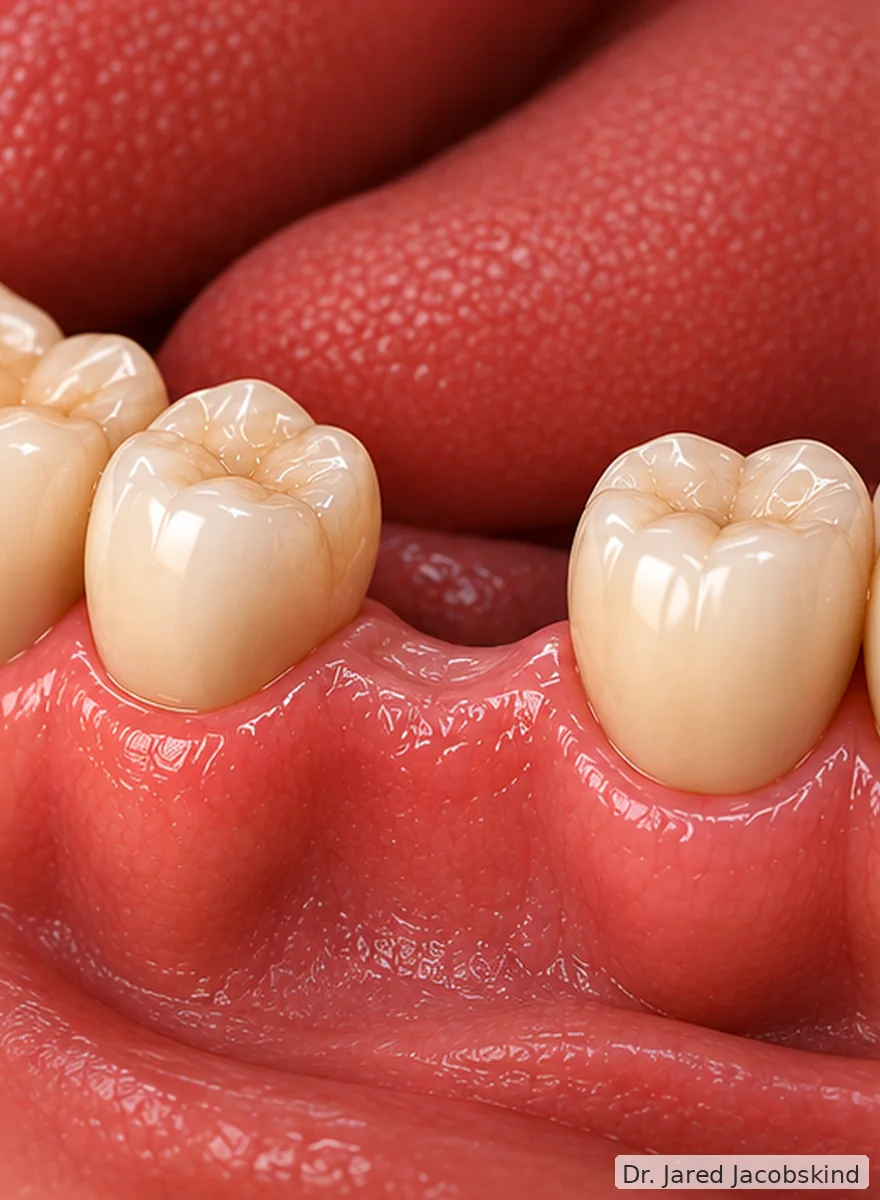
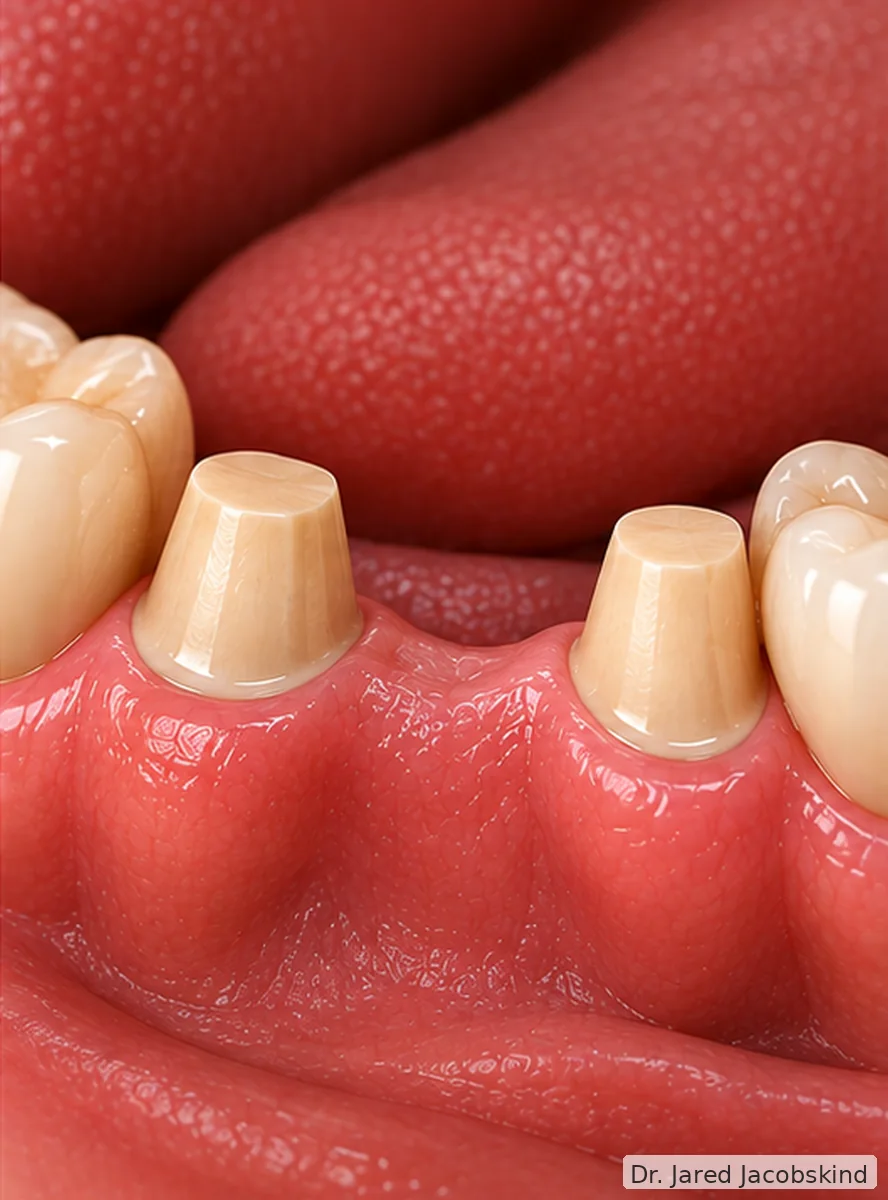
Like a bridge over water, a dental bridge needs solid support at both ends. We check the neighboring teeth for decay or fractures and make sure they’re strong enough to handle the forces of chewing. Then we carefully reshape them so the ends of the bridge can fit over them.
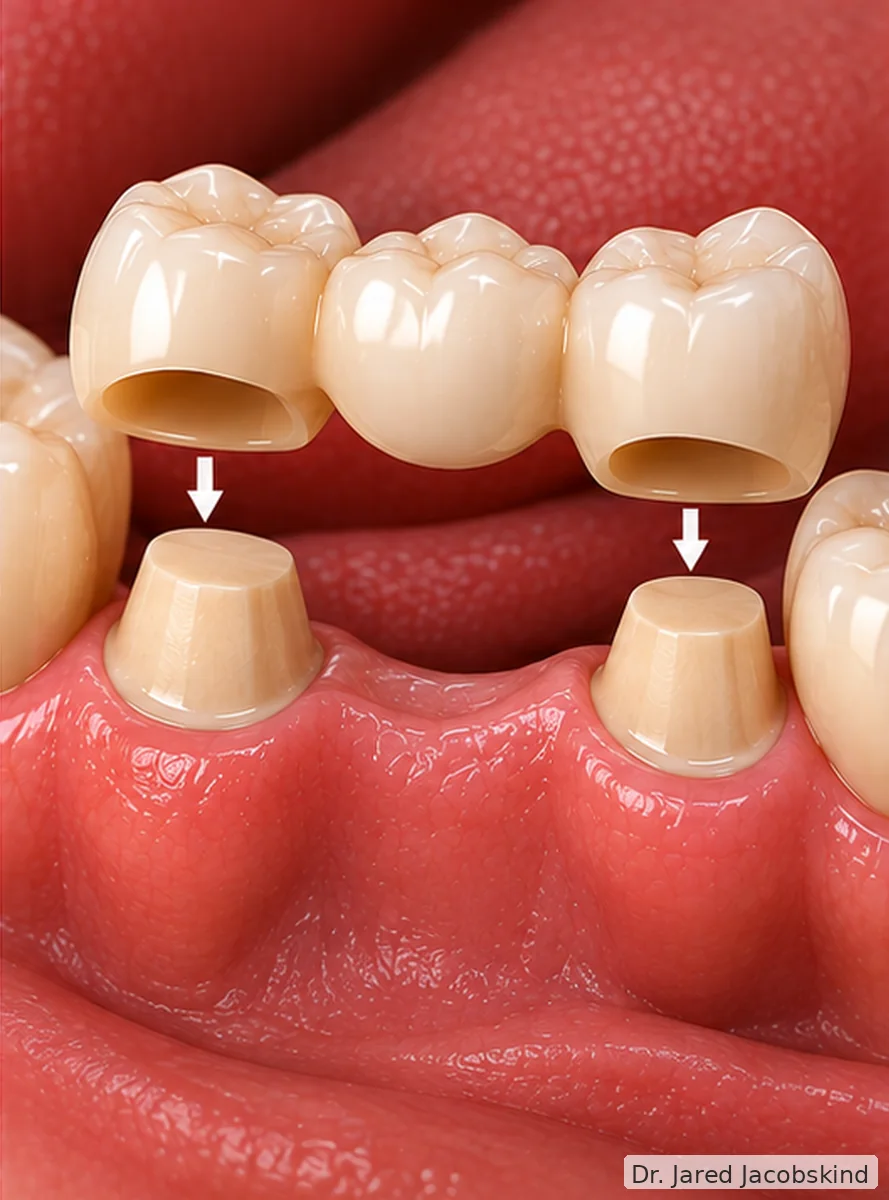
Once the supporting teeth are shaped, we can have the bridge made. The one shown here looks like three separate teeth, but it’s made as a single piece. The middle tooth fills the gap, and the two hollow crowns at either end are shaped to slide over the supporting teeth like gloves.
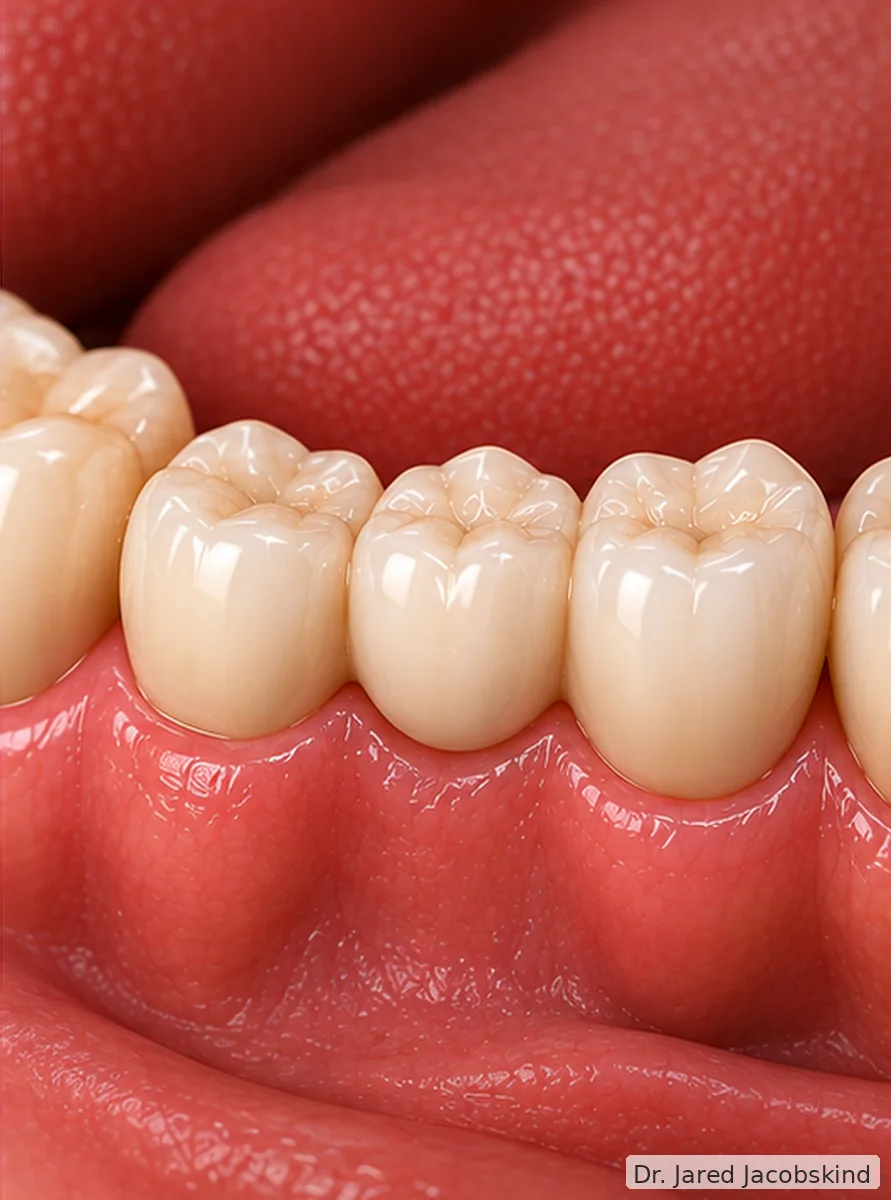
Once we cement the bridge in place, it looks like individual teeth. Because the teeth in the bridge are connected, you can’t slide floss down between them from above. A floss threader guides regular floss underneath the bridge so you can clean along the gumline and around the supporting teeth. A water flosser can also help clean under the bridge.
These illustrations explain general concepts and do not replace an individual dental evaluation. Implant surgery and root canal treatment are coordinated with outside specialists.