
Teeth can move within the jawbone throughout life. Sometimes they become crowded or shift into positions where they don’t meet evenly when you bite. This can concentrate pressure on certain teeth and contribute to wear or chipping. Crowded areas can also be harder to brush and floss thoroughly, allowing plaque to collect and increasing the risk of decay.
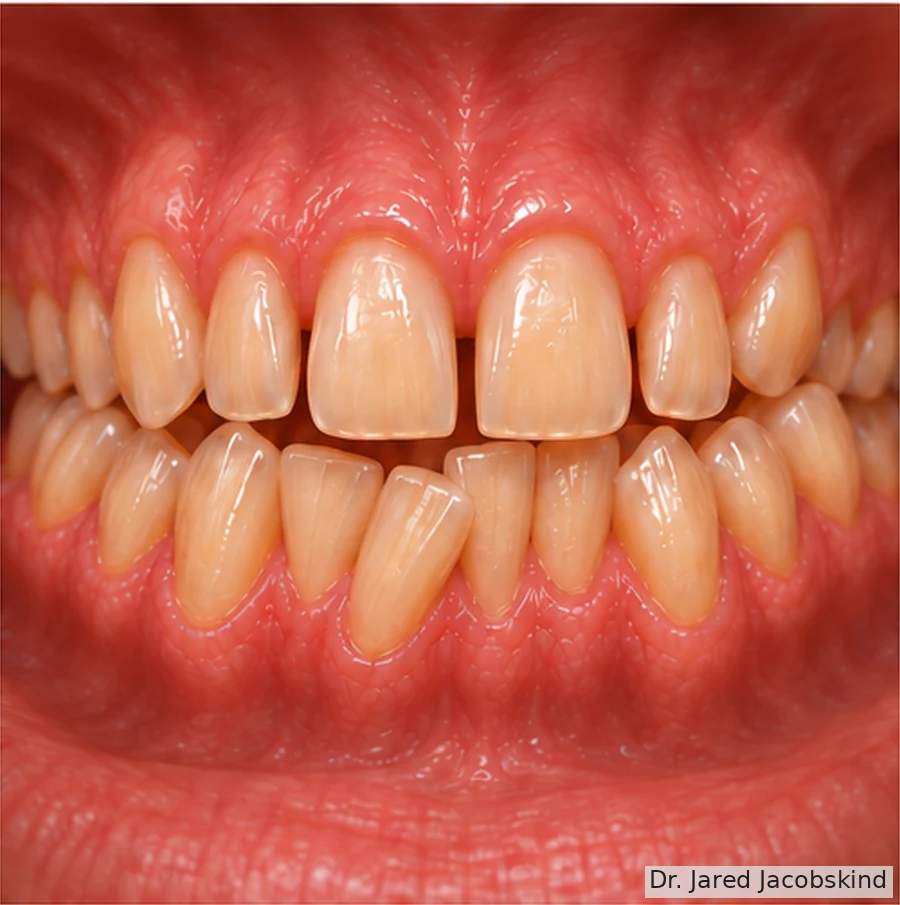
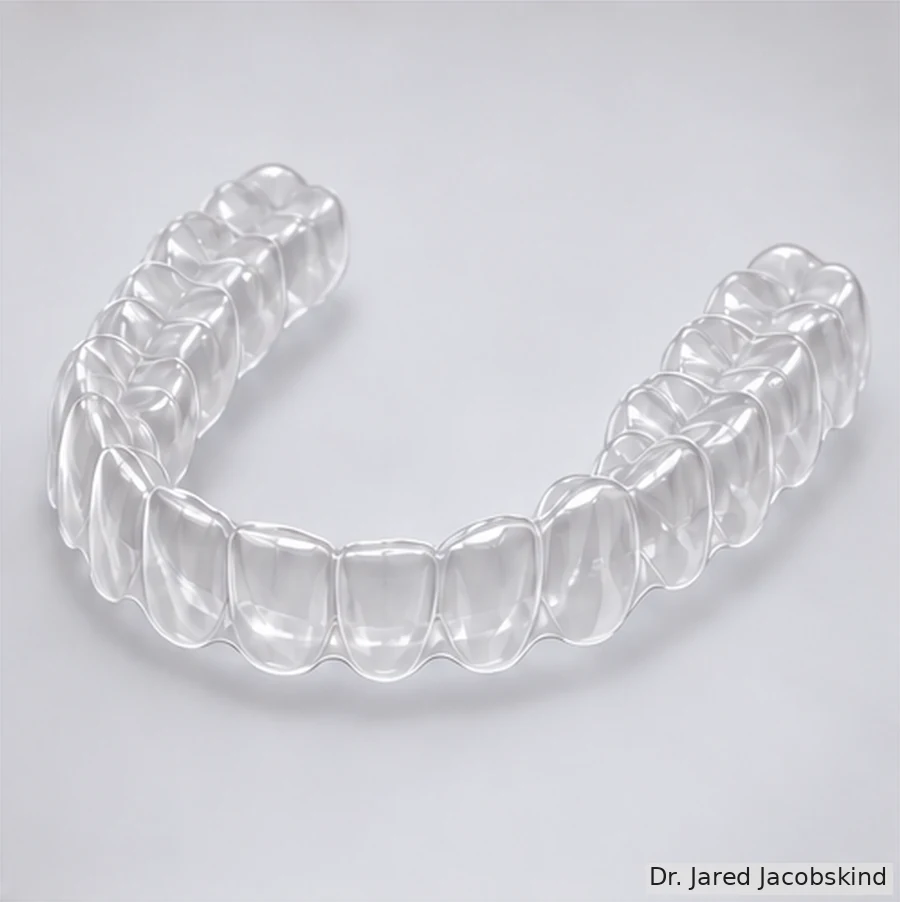
Clear aligner therapy is a form of orthodontic treatment that uses a series of clear plastic trays. Each aligner is slightly different from the one before it and applies gentle, controlled pressure to move selected teeth. Treatment can take months or longer, depending on the changes needed. Wearing the aligners as prescribed and attending progress visits helps keep movement on track.
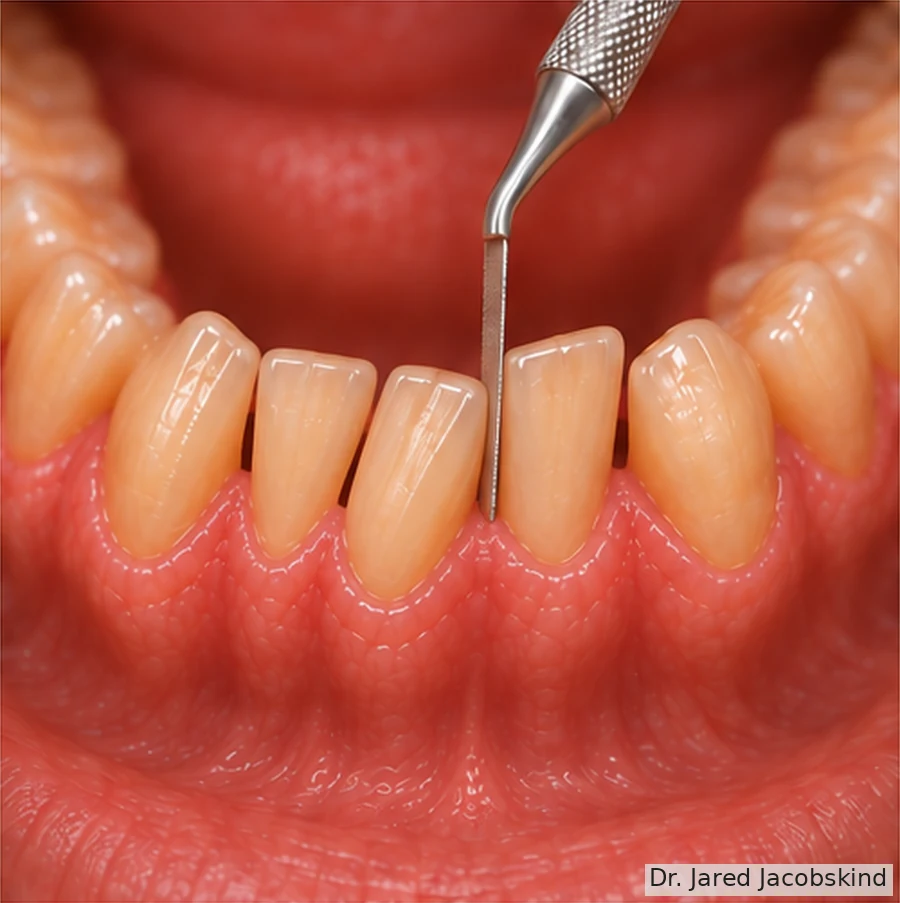
When teeth are crowded, we sometimes need to “buy space” to untangle them. One way is interproximal reduction, or IPR, which removes very thin amounts of enamel from the sides of selected teeth. The amount is carefully planned to keep the teeth healthy and usually makes little noticeable difference to their shape. The small spaces created are then closed as the teeth move into alignment.
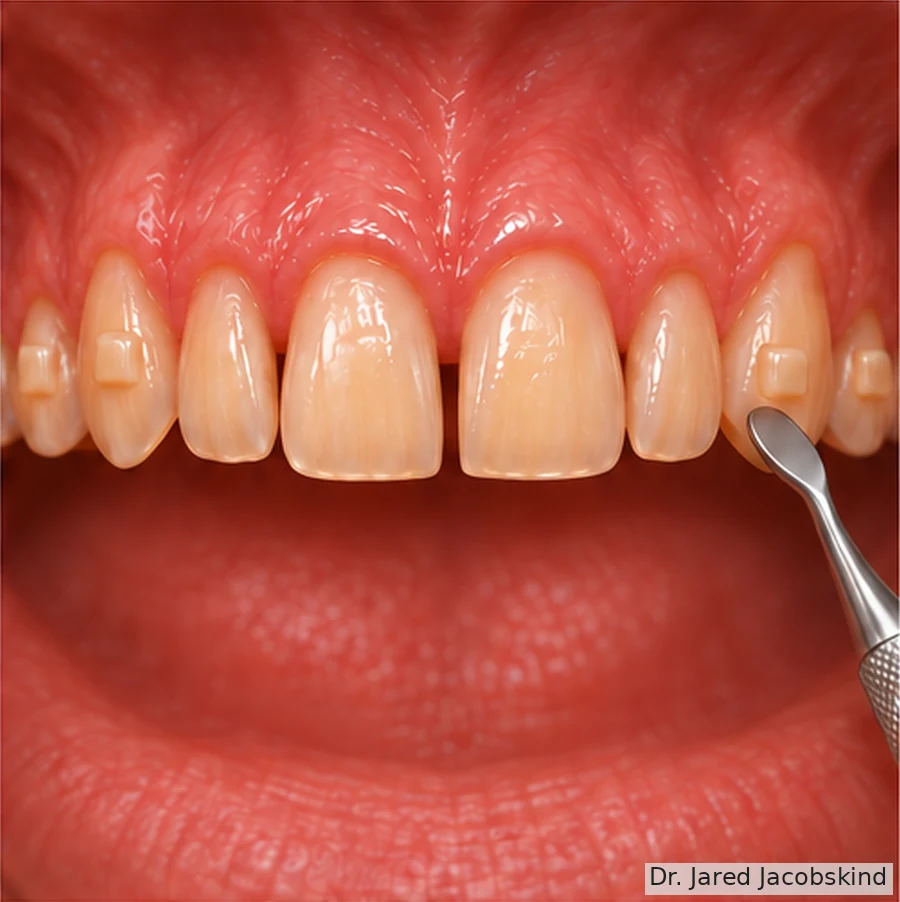
Some teeth need attachments to help the aligners grip and guide them. These are small shapes made from tooth-colored filling material and bonded to the fronts of selected teeth. Think of them as handles that help the aligners apply pressure in the right direction. They’re removed when treatment is complete.
The goal is a smile that looks good, bites comfortably, and is easier to keep clean. After the teeth reach their planned positions, retainers help hold them there. Teeth can shift again after treatment, so wearing your retainers as instructed is part of keeping the result.
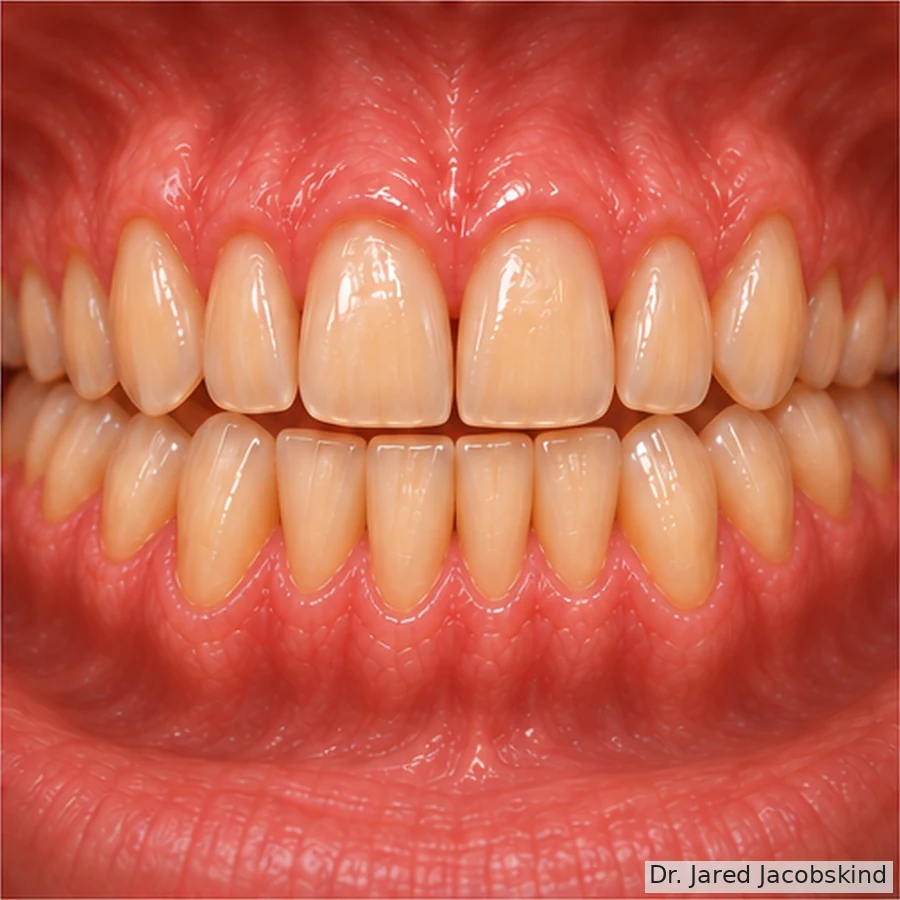
These illustrations explain general concepts and do not replace an individual dental evaluation.