For someone missing most or all of the teeth in a jaw, a full arch implant restoration can replace the entire row. Anchoring the teeth to implants provides much greater stability than a conventional denture that rests on the gums. That extra support can make chewing easier and help you feel more confident that your teeth will stay in place. This approach is often called All-on-X because the number of supporting implants can vary.
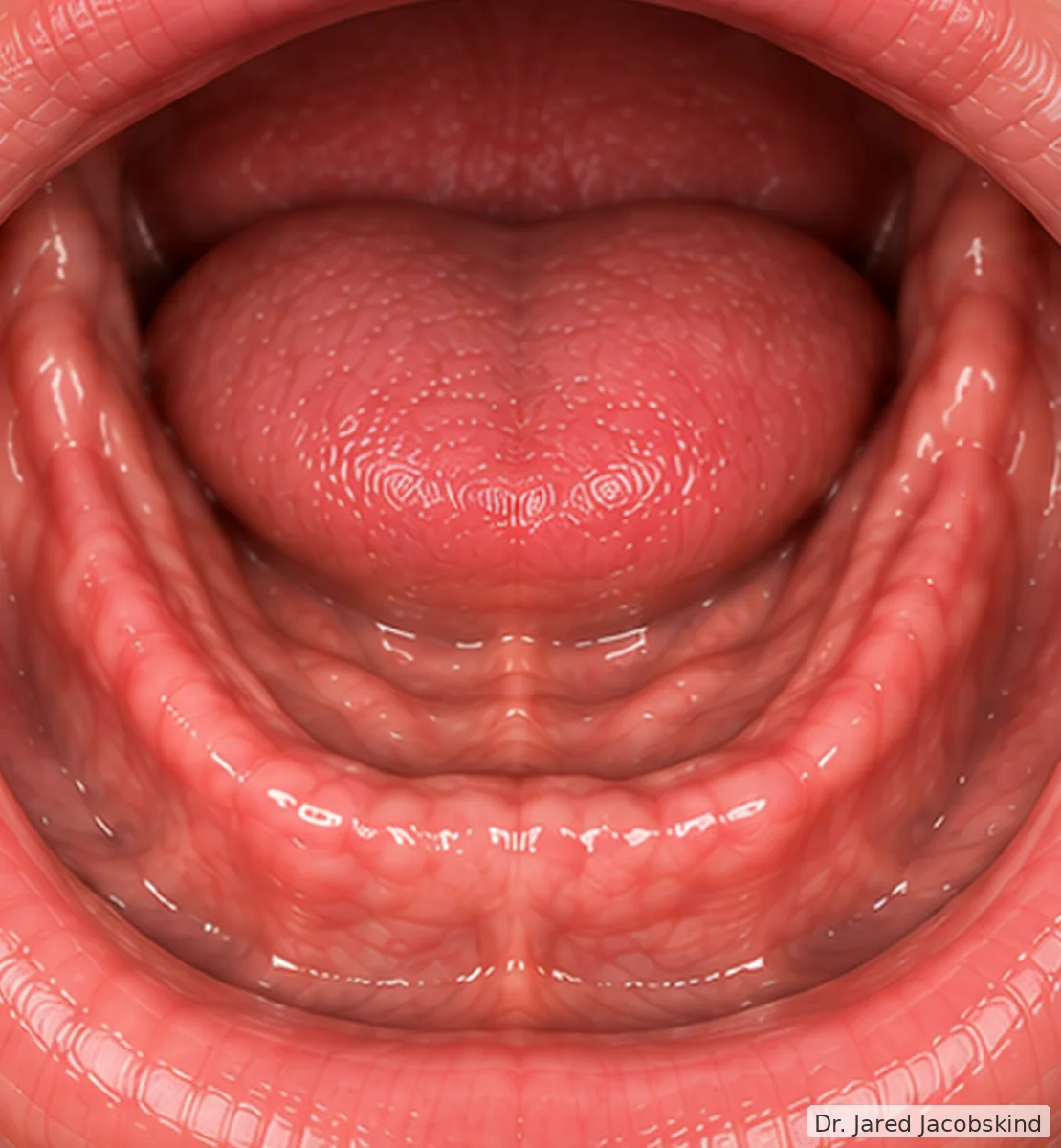
The first step is to plan and place several implants across the jaw. Their positions are chosen carefully to distribute support across the replacement teeth. The plan also depends on how much bone is available, its quality, and the location of nearby structures such as nerves and sinuses. The implants need to support teeth that will meet the opposing teeth in a comfortable, balanced bite.
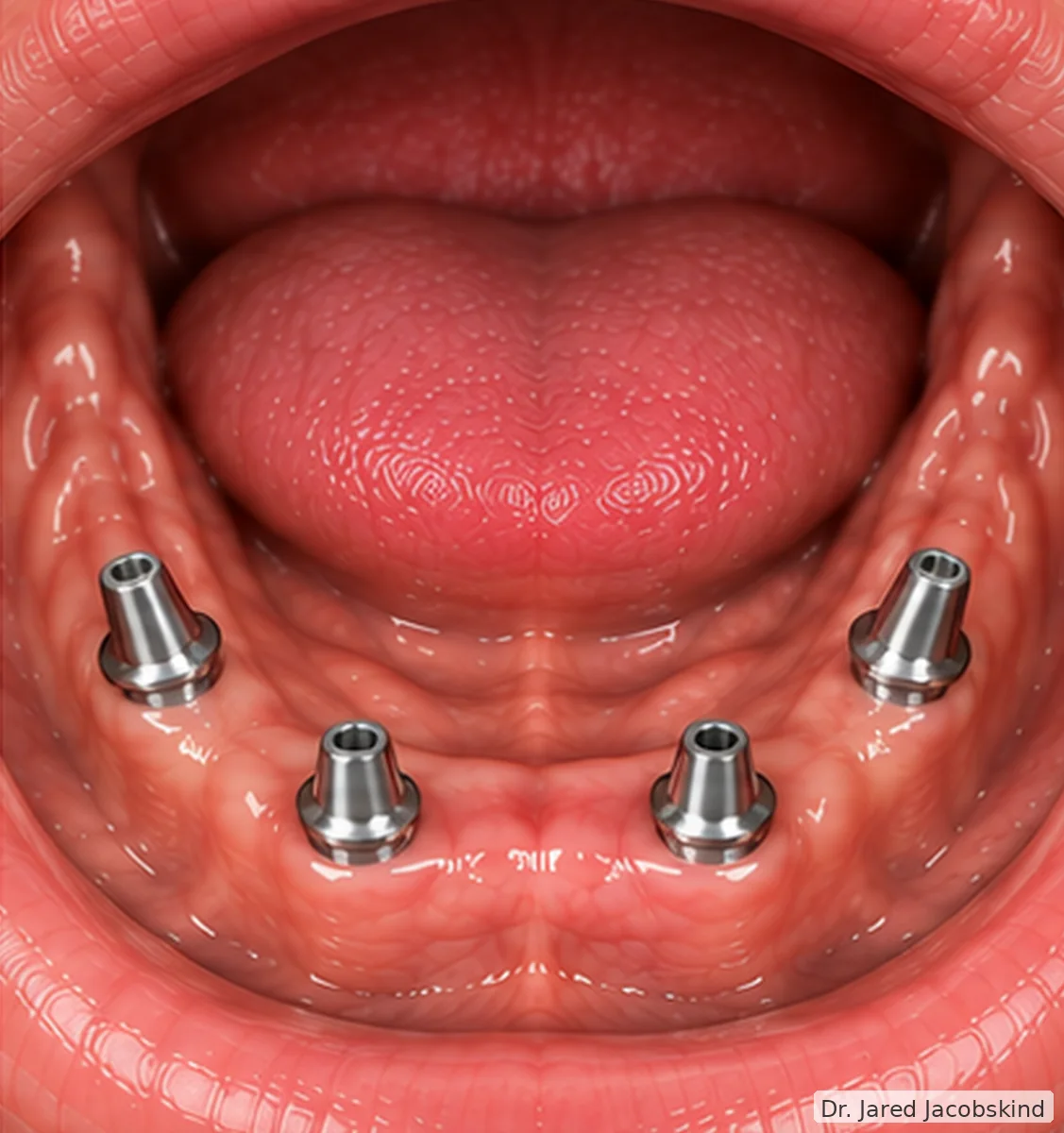
After the implants have healed and bonded to the jawbone, digital scans record their positions and the shape of your mouth. Working closely with a dental laboratory, we use those records to create a custom restoration. Its fit, appearance, and bite are checked before the final teeth are secured.
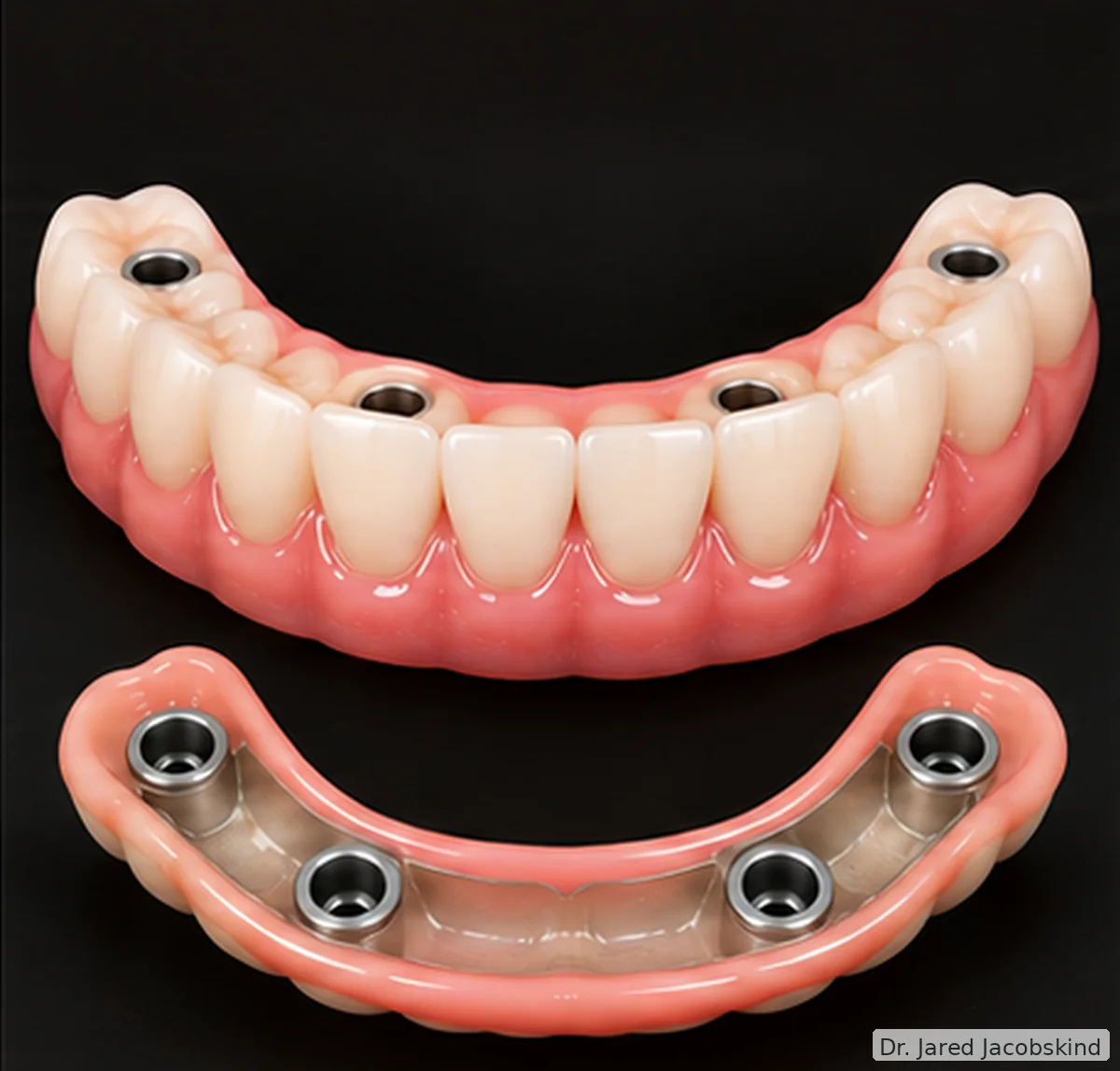
The restoration is seated over the implants and their connectors. Small screws pass through access holes in the replacement teeth and fasten the restoration to the supports underneath. These screws hold the full row of teeth firmly in place.
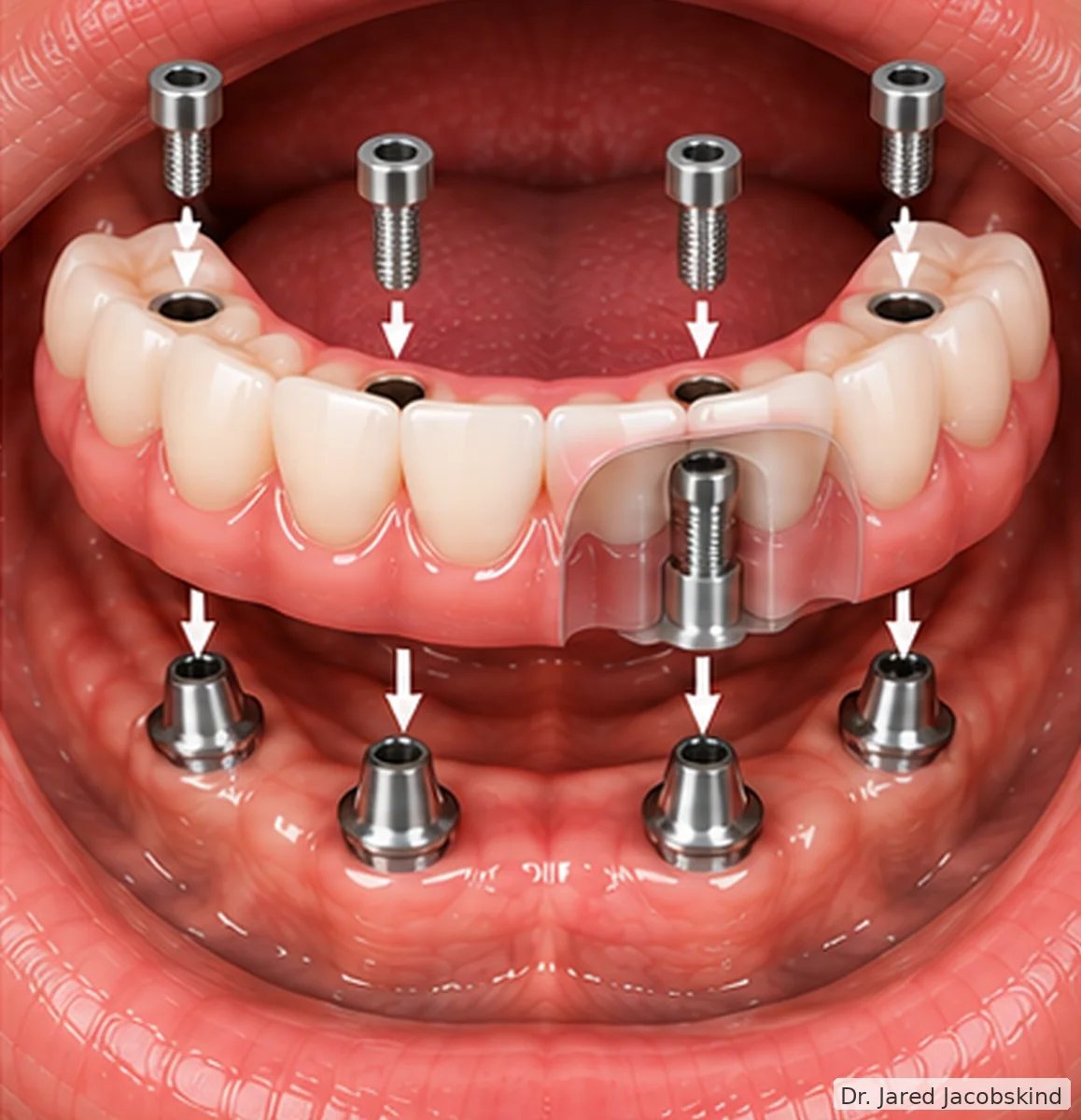
The screw access holes are then closed with filling material. Once secured, the restoration feels more stable than a conventional removable denture and stays in place at home. It still needs careful daily cleaning underneath and around the implants, along with regular professional maintenance. We’ll show you the tools and techniques that work best for your restoration.
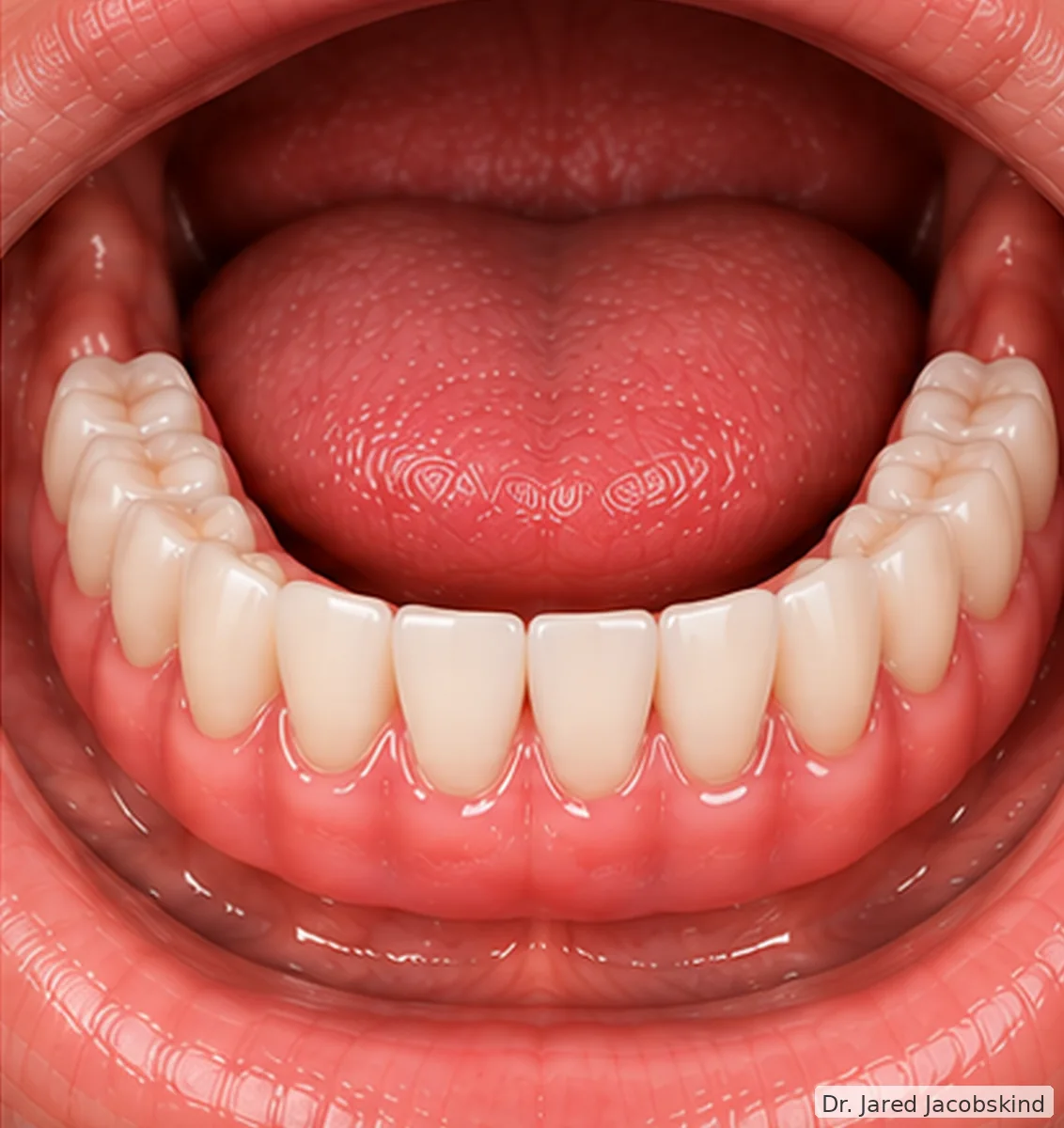
If you prefer a removable option, an implant overdenture provides implant retention, while a complete denture rests on the gums. If healthy natural teeth remain, a partial denture may use them for support.
These illustrations explain general concepts and do not replace an individual dental evaluation. Implant surgery and root canal treatment are coordinated with outside specialists.