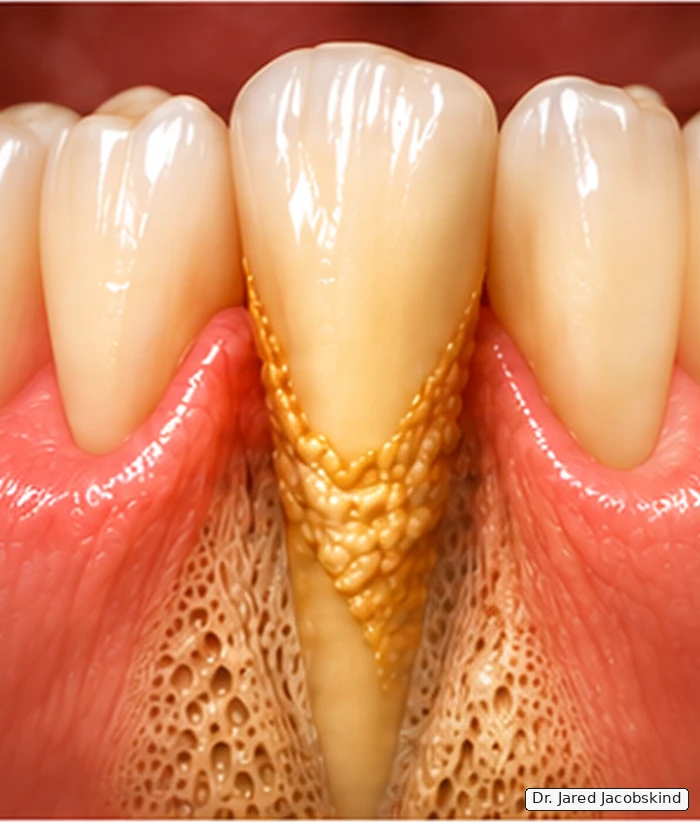
Plaque that stays near the gumline can harden into calculus, also called tartar. These deposits can form above the gums and below them, along the roots of the teeth. Once plaque has hardened, brushing and flossing will not remove it. The rough surface also makes it easier for more bacteria-containing plaque to collect.
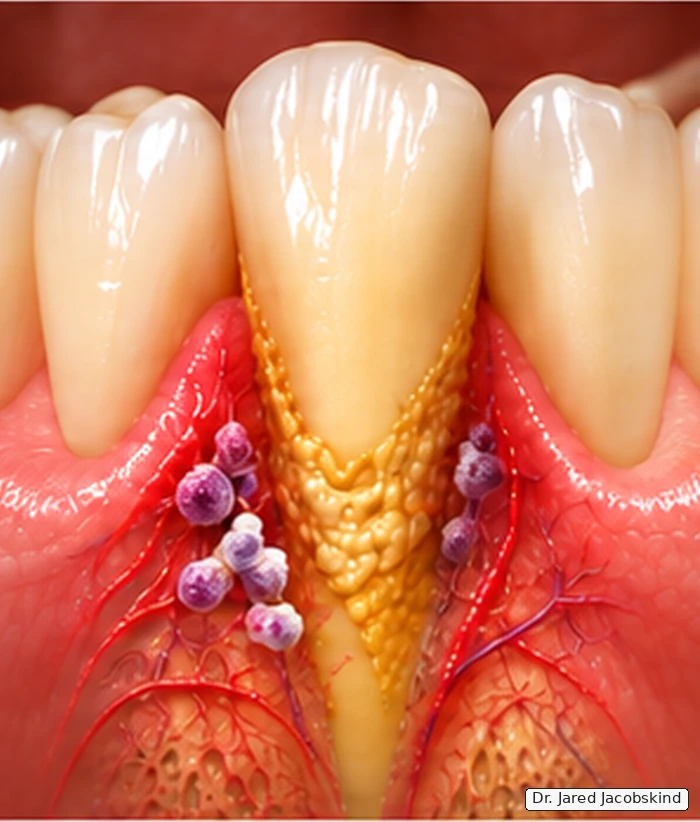
Your immune system recognizes bacteria in dental plaque and the substances they release as a threat. In response, the body sends defensive cells and inflammatory signals into the gums, much as it would respond to an infection elsewhere. But the plaque and calculus remain in place, continually stimulating that response.
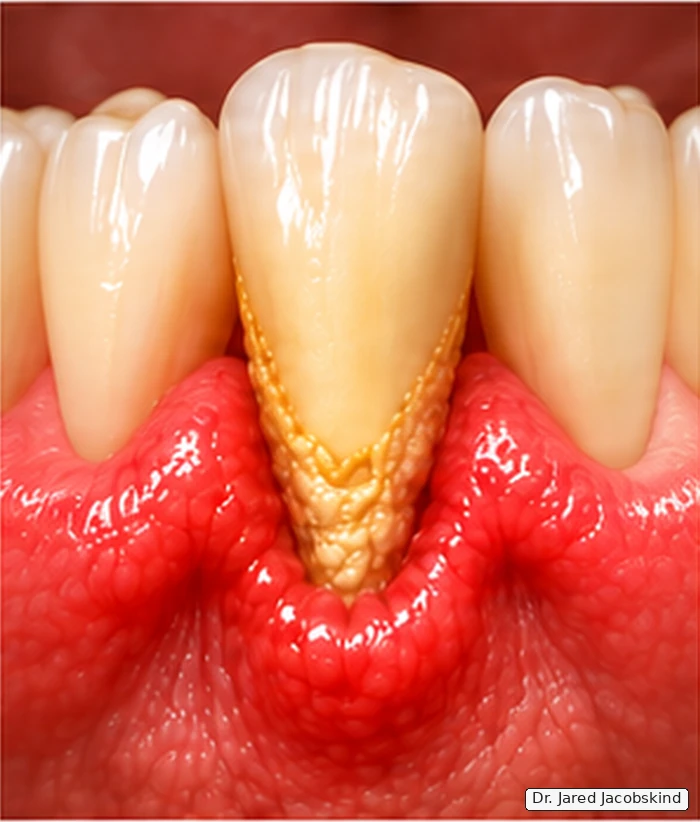
The body's reaction is not able to scrape hardened calculus away from a tooth. Instead, the surrounding gum tissue may become red, swollen, tender, or more likely to bleed. This inflammation is called gingivitis. When the supporting bone and attachment are still intact, controlling the buildup can often allow the gums to return to health.
If the bacteria and inflammation persist, the immune response can become a source of collateral damage. The defense is powerful, but it is not always selective: the same inflammatory processes intended to fight bacteria can also damage the connective tissue and bone holding the teeth in place. When that attachment begins to break down, the condition is called periodontitis.
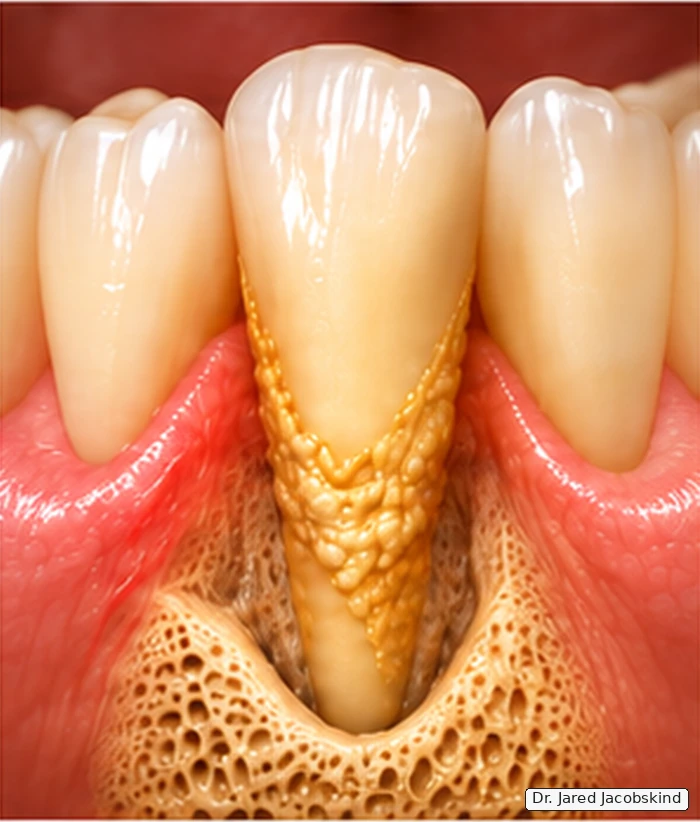
As gum attachment and supporting bone are lost, deeper spaces can form between the teeth and gums. Those pockets are difficult to clean and allow deposits to collect farther down the roots. Periodontal disease frequently advances over years, sometimes decades, although some people experience faster progression. Eventually, an affected tooth may loosen and in severe cases may require extraction.
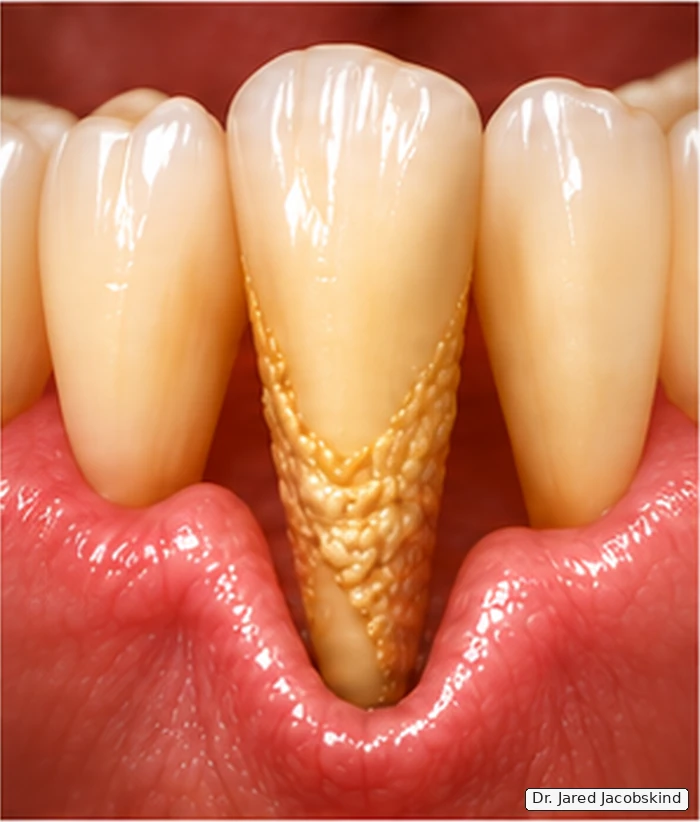
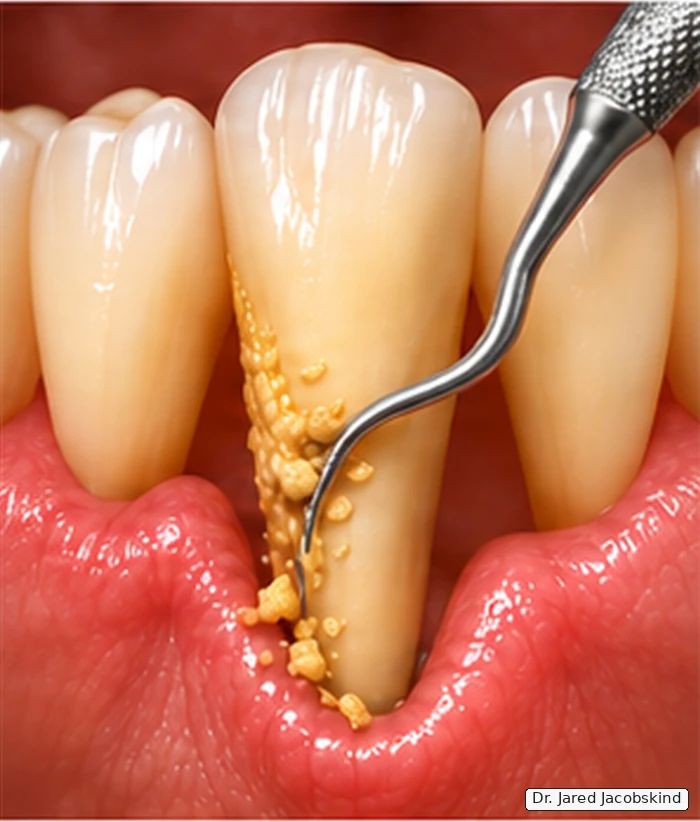
Scaling and root planing, often called a deep cleaning, is one of our main ways to interrupt this cycle. We use specialized instruments to remove plaque and calculus from affected tooth surfaces, including the roots beneath the gumline. Removing the bacterial deposits reduces the ongoing trigger for inflammation and gives the tissues a chance to heal while helping protect the tooth's remaining support.
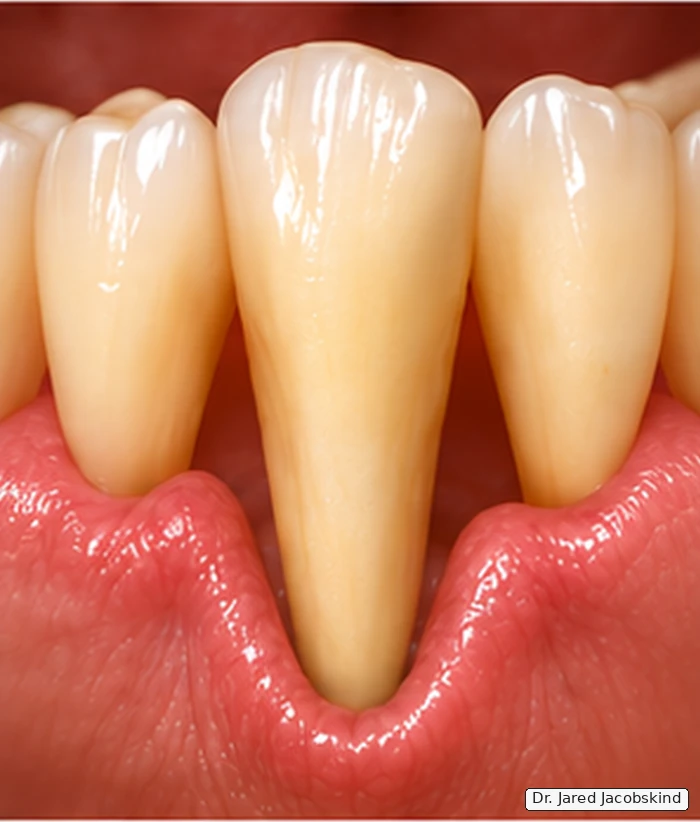
After scaling, healthier gum tissue is usually firmer, less red, and less likely to bleed. But the gums may remain recessed because removing calculus does not restore the bone and attachment already lost. Recession can even appear more noticeable once swelling subsides. Regular periodontal maintenance, along with effective brushing and cleaning between the teeth, helps us keep deposits from returning and aims to slow or prevent further damage.
These illustrations are simplified. Treatment decisions are based on an examination, gum measurements, and dental X-rays. Some cases require additional periodontal care.