
Teeth sometimes need more protection than a filling can provide. A large cavity may have destroyed much of the natural tooth, an old filling may be failing, or cracks may have developed around a large silver filling. A crown can help preserve a tooth that is too weakened to withstand everyday chewing on its own.
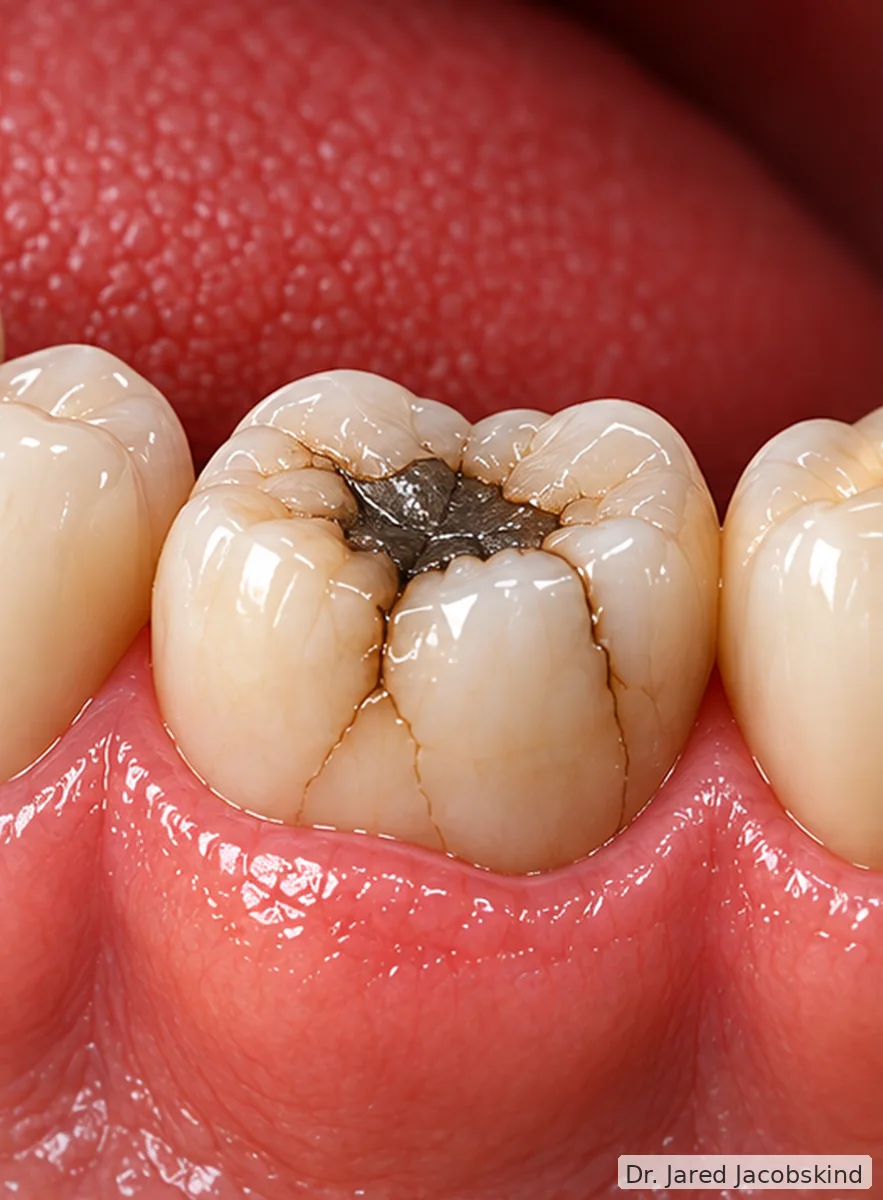
Before making a crown, the dentist removes decay and defective filling material, then reshapes the remaining tooth. This includes taking a small amount off the biting surface and the sides, creating room for the new crown. Think of it as making space for a closely fitted protective jacket.
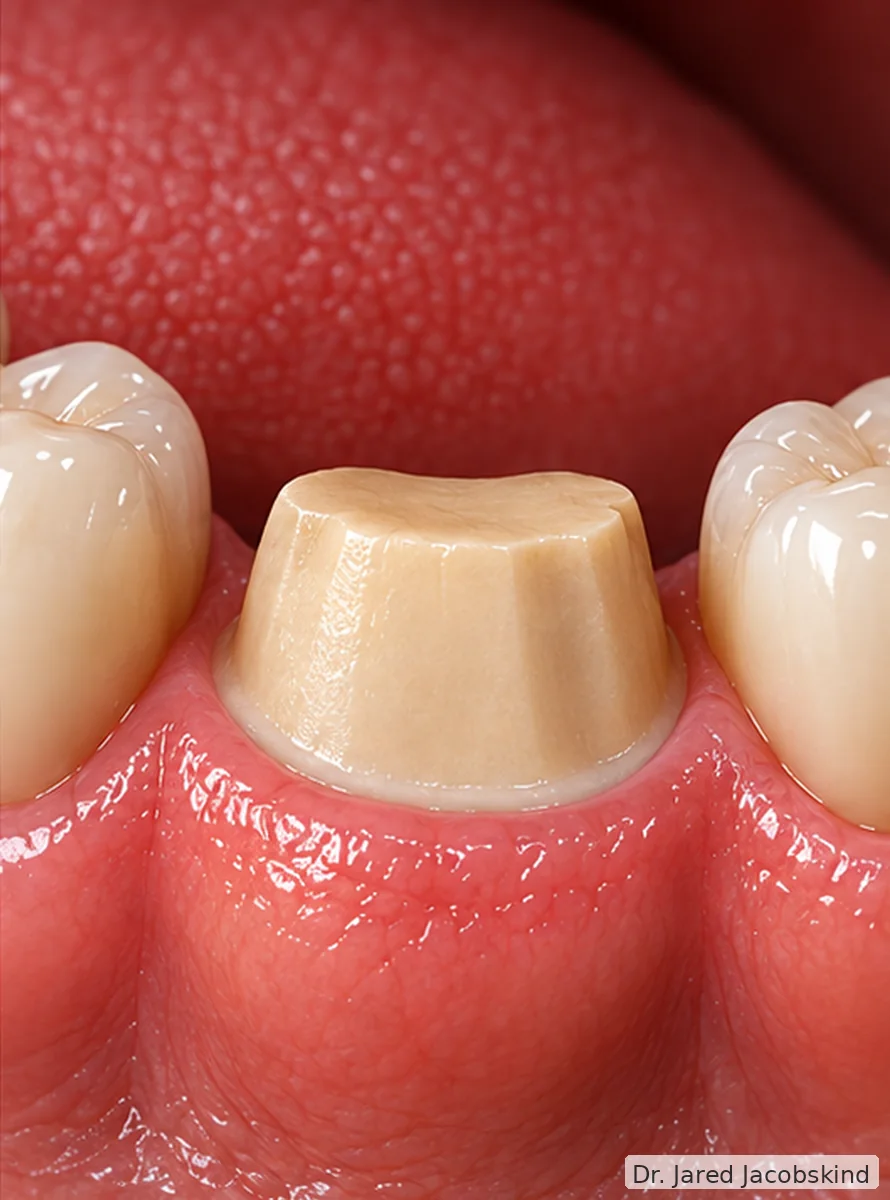
Next, a crown is crafted to match the prepared tooth's contours and your bite. Its inner surface fits over the prepared tooth, while its outer surface recreates the grooves and natural shape needed for comfortable chewing. For appropriate cases, our CEREC technology can make this possible in one visit.
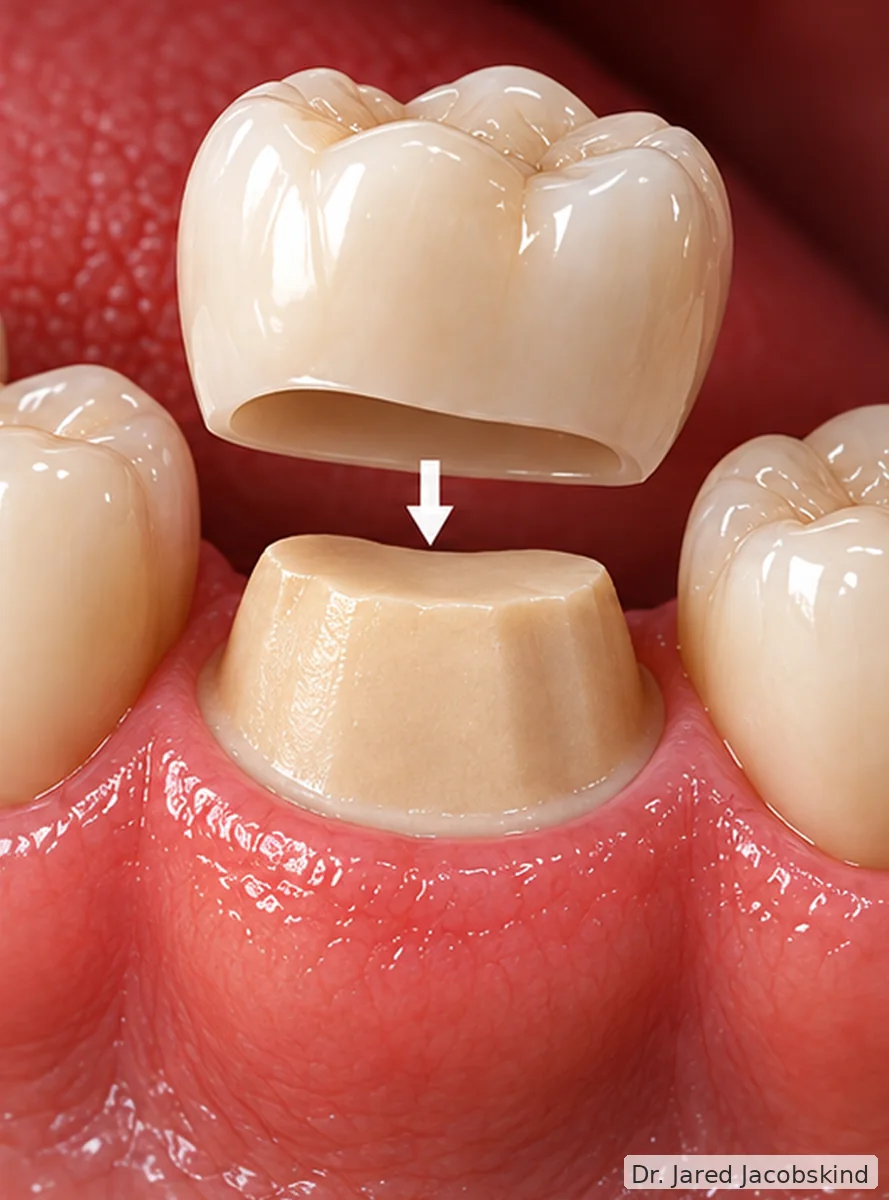
Once the crown is seated and bonded or cemented, it looks and functions much like a natural tooth. You can chew on it normally after your dentist's instructions, although the tooth underneath still needs regular cleaning and checkups.
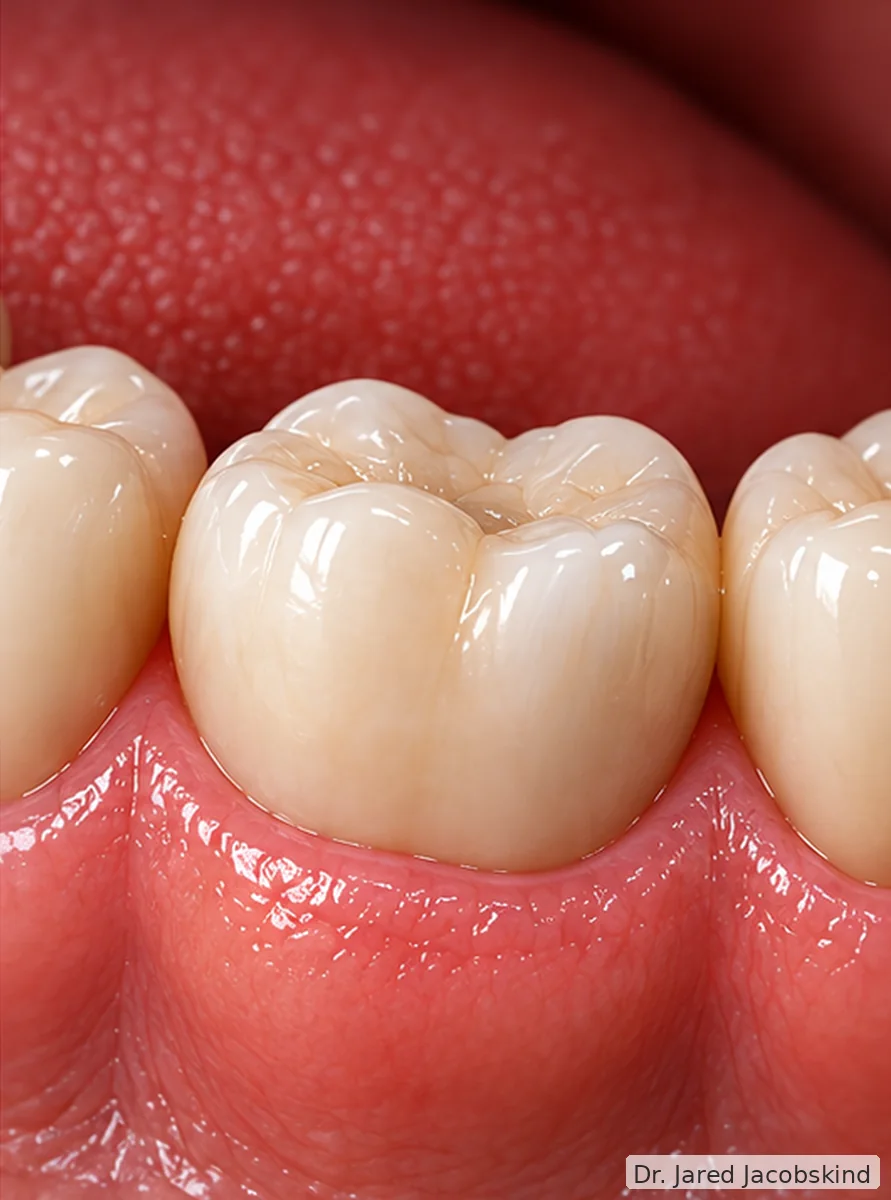
These illustrations explain general concepts and do not replace an individual dental evaluation. Implant surgery and root canal treatment are coordinated with outside specialists.