
Enamel is the hard outer layer of your teeth. It holds up to years of chewing, but it can wear away. Just beneath it is dentin, a softer layer. Healthy enamel keeps the dentin covered and protects it from the daily wear of biting and chewing.
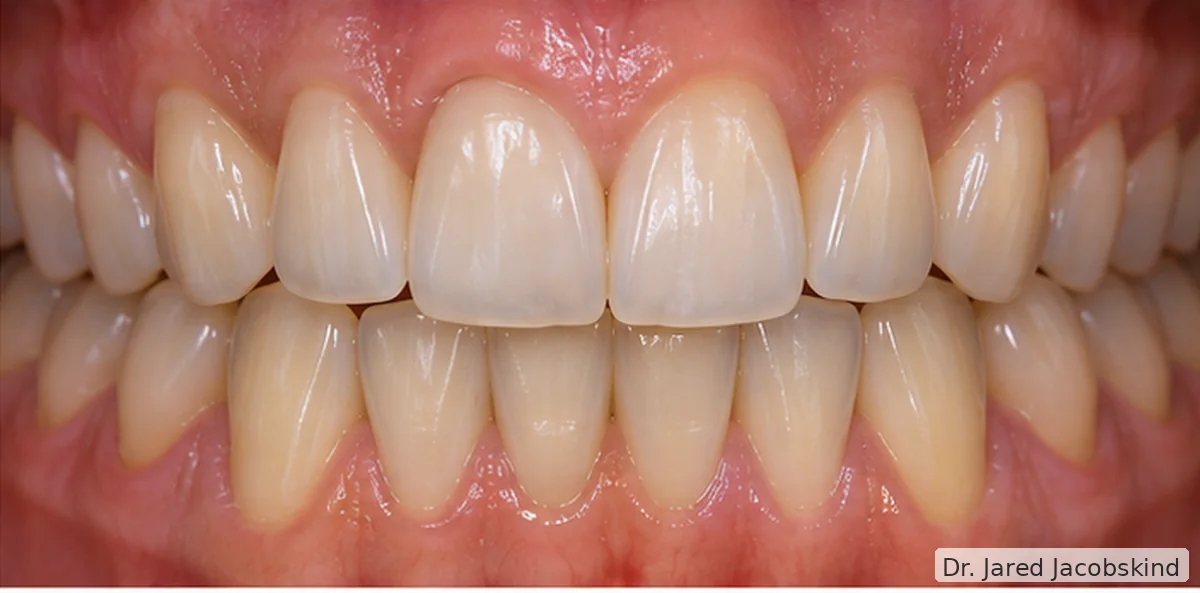
If you regularly grind or clench, your jaw muscles can put a surprising amount of force on your teeth. Grinding can gradually wear down the enamel and flatten the ridges and points that help you break down food.
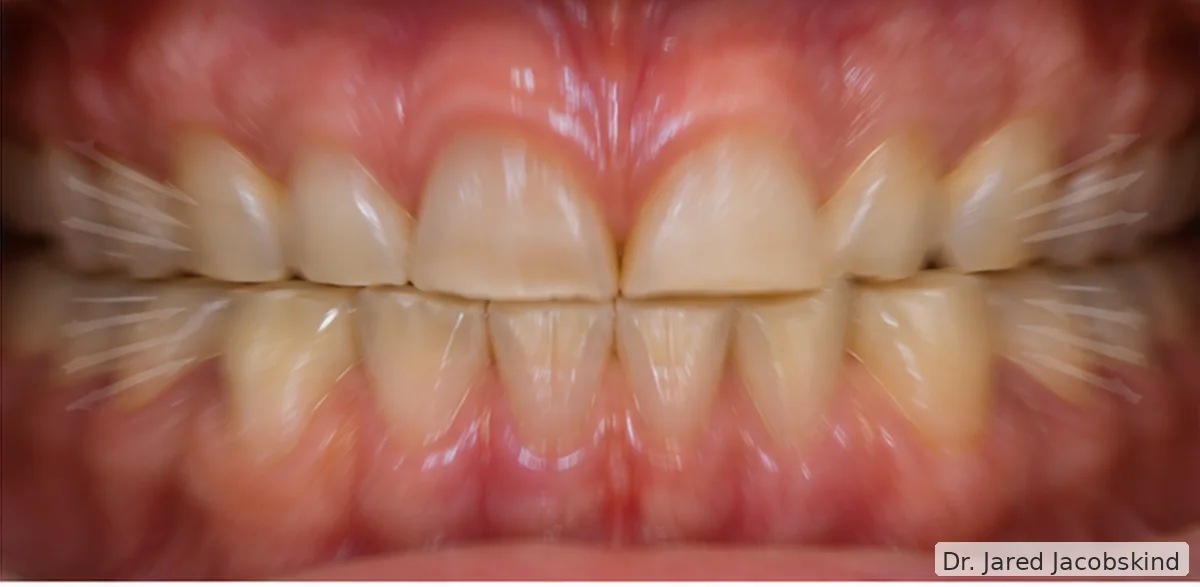
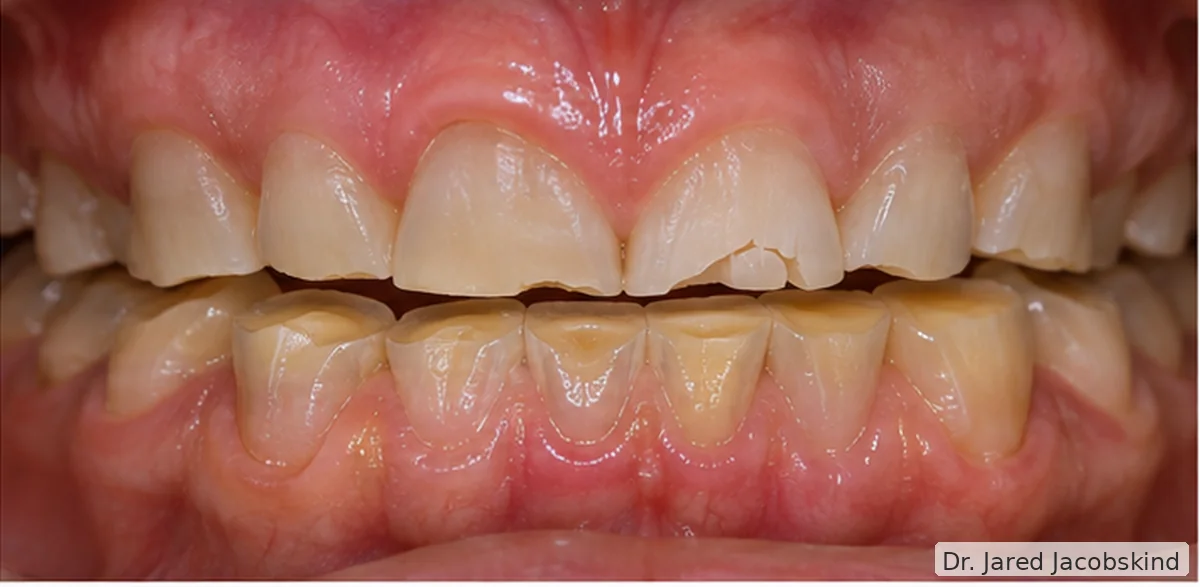
As teeth lose structure, they can become more prone to chipping or cracking. Once grinding wears through the enamel, the softer dentin is exposed and can wear faster. That’s when we often see the damage start to progress more quickly.
Many people grind or clench in their sleep and have no idea they’re doing it. If we see signs of wear, we may recommend a custom night guard. It fits over your teeth and helps protect them from damage while you sleep.
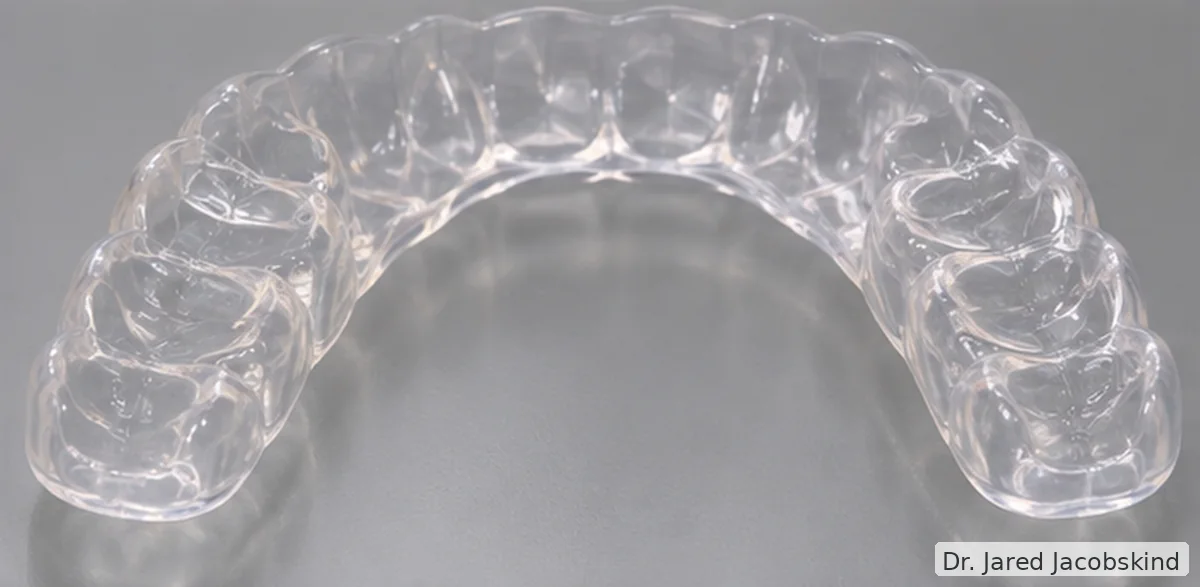
Think of the guard as a protective layer between your upper and lower teeth. If you grind or clench, your teeth press against the guard instead of rubbing directly against each other. The guard takes the wear and helps spread the pressure across the teeth.
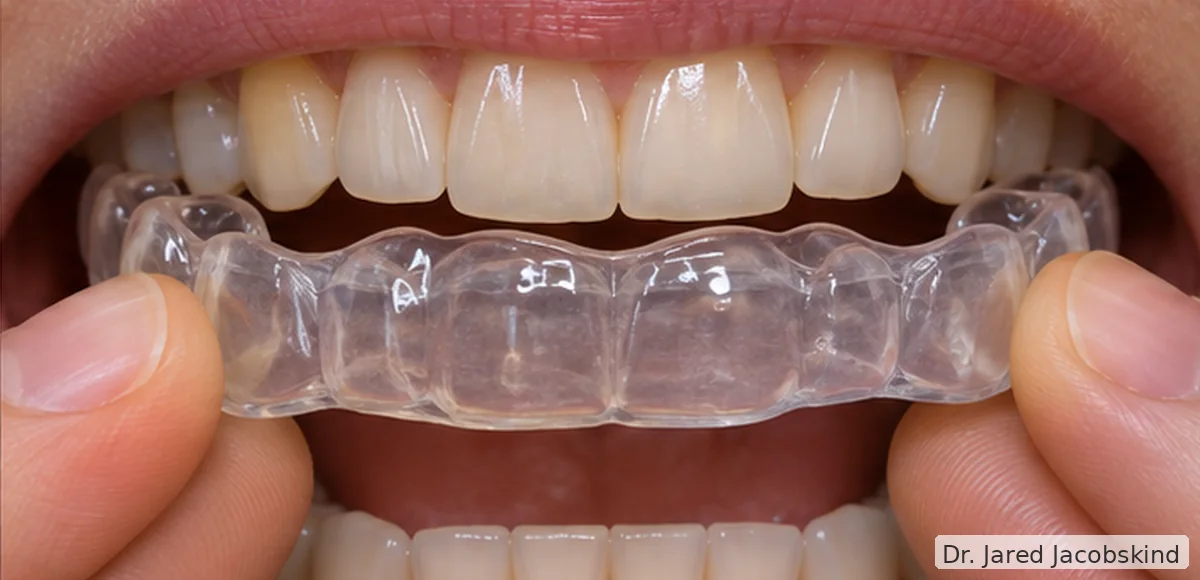
A custom night guard fits closely, but it needs enough thickness to stand up to the pressure of grinding and clenching. It may feel a little bulky at first, and it can take time to get used to falling asleep with it in. Many patients get so used to wearing theirs that it feels strange to go to bed without it.
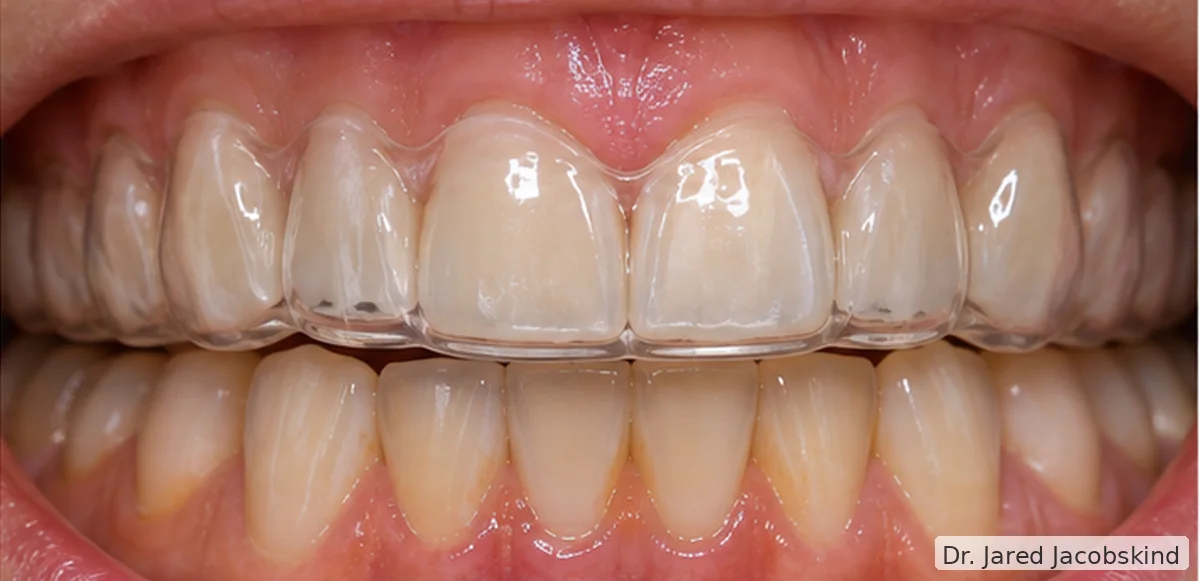
These illustrations explain general concepts and do not replace an individual dental evaluation.